Buying a Second Home in Tenerife as a Foreigner
 Carlos Quintero
Buying a Second Home in Tenerife: Complete Guide for Foreign Buyers
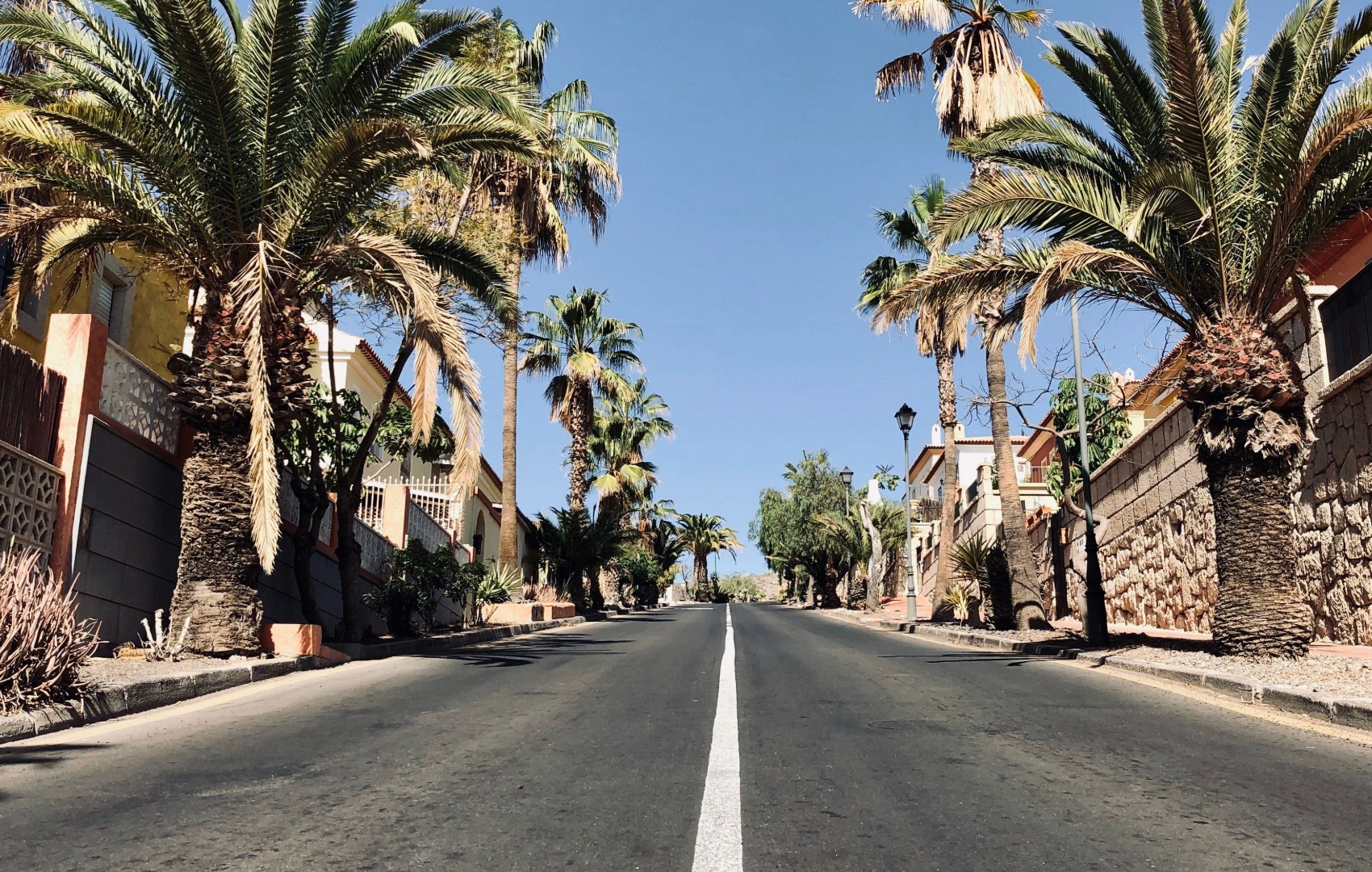
Imagine having your own apartment overlooking the Atlantic Ocean, enjoying breakfast on a sunny terrace in the middle of winter, or spending several months a year in a beautiful villa just minutes from the beach.
For many international buyers, owning a second home in Tenerife offers the opportunity to enjoy a different lifestyle without permanently relocating abroad.
The island's mild climate, international connections, established residential communities and wide selection of properties make it an attractive destination for European homeowners.
Whether you are looking for a holiday apartment in Los Cristianos, a modern penthouse in Costa Adeje or a peaceful townhouse in a residential neighbourhood, Tenerife offers options for different budgets and lifestyles.
However, buying a second home in Tenerife involves more than choosing the right property.
Foreign buyers must understand the purchasing process, Spanish property taxes, legal requirements, financing options and ongoing ownership expenses.
It is also important to distinguish between owning a holiday home and becoming a Spanish tax resident.
In this complete guide, we explain everything you need to know about buying a second home in Tenerife in 2026, including the best locations, additional costs and practical considerations for international buyers.
Why Buy a Second Home in Tenerife?
Tenerife is one of the most established destinations in the Canary Islands for international property buyers.
One of its greatest attractions is the climate.
South Tenerife enjoys generally mild temperatures throughout the year, making it particularly appealing to people who want to escape colder European winters.
Unlike destinations where holiday homes are mainly used during the summer, Tenerife offers opportunities for outdoor living across different seasons.
Residents and visitors can enjoy beaches, coastal walks, golf, restaurants and other recreational activities throughout much of the year.
Accessibility is another important advantage.
Tenerife South Airport provides connections with numerous European cities, making the island convenient for buyers who intend to visit several times a year.
The south of the island also has established international communities, supermarkets, healthcare facilities and a broad range of services.
For many buyers, the main attraction is flexibility.
A second home allows you to spend time in Tenerife whenever your personal circumstances permit, without committing to a permanent move.
Can Foreigners Buy a Second Home in Tenerife?
Yes. Foreign nationals can generally purchase residential property in Tenerife without becoming Spanish residents.
This includes citizens of Germany, the Netherlands, Belgium, France, Poland, the United Kingdom and many other countries.
Spain does not impose a general requirement to become a resident simply because you purchase a holiday home.
However, buyers must comply with the relevant identification, financial and legal procedures.
One of the first requirements is obtaining a Spanish NIE, or Número de Identidad de Extranjero.
This identification number is used for various administrative and tax purposes, including purchasing property.
Buyers must also provide the documentation required for the transaction and comply with applicable anti-money-laundering checks.
An important distinction is that owning property in Spain does not automatically grant the right to live in the country indefinitely.
EU citizens benefit from European free-movement rights, although registration requirements apply when residing in Spain for more than three months.
Non-EU citizens must comply with the immigration rules applicable to their nationality and circumstances.
For example, British nationals visiting Spain are generally subject to Schengen short-stay limits unless they hold an appropriate residence status or other applicable authorisation.
These requirements should be considered when deciding how frequently and for how long you intend to use your second home.
Best Areas to Buy a Second Home in South Tenerife
Choosing the right location is one of the most important decisions when purchasing a holiday home.
South Tenerife offers a variety of coastal and residential areas, each with different characteristics.
The best location depends on whether you prioritise beaches, restaurants, tranquillity, golf, outdoor space or access to everyday services.
Costa Adeje: Premium Properties and Coastal Living
Costa Adeje is one of the most desirable residential destinations in South Tenerife.
The area is known for its beaches, premium hotels, restaurants, shopping facilities and attractive residential developments.
Buyers can find apartments with communal swimming pools, spacious penthouses with sea views and contemporary villas with private outdoor areas.
Costa Adeje may be particularly appealing to those seeking a second home that combines comfort with convenient access to leisure facilities.
However, property prices vary considerably between neighbourhoods.
A home in Playa del Duque may have a different price and residential atmosphere from a property in Torviscas Alto or Roque del Conde.
Buyers should compare individual locations rather than treating Costa Adeje as a single uniform market.
Los Cristianos: Convenience and Year-Round Activity
Los Cristianos is a popular choice for international buyers who want a convenient coastal location.
The town offers beaches, restaurants, supermarkets, shops and an established residential community.
Many amenities are accessible on foot, particularly in central areas.
This can be attractive for second-home owners who prefer not to rent a car during every visit.
Los Cristianos also offers a range of apartments and residential complexes.
Some properties are located close to the beach, while others occupy quieter neighbourhoods further from the centre.
For buyers planning extended winter stays, the town's everyday infrastructure can be a significant advantage.
Playa de las Américas: Beaches and Entertainment
Playa de las Américas is one of Tenerife's best-known coastal destinations.
It offers beaches, restaurants, shopping areas and a lively atmosphere.
For buyers who enjoy being close to leisure activities, this location can be particularly convenient.
Apartments in established residential complexes may provide communal swimming pools, terraces and access to nearby amenities.
However, the atmosphere varies between neighbourhoods.
Some locations are considerably busier than others, particularly during peak visitor periods.
Buyers seeking a peaceful second home should consider visiting properties at different times of day before making a decision.
La Caleta: An Exclusive Coastal Atmosphere
La Caleta is a distinctive coastal area in the municipality of Adeje.
Known for its waterfront restaurants, ocean views and proximity to premium resorts, it appeals to buyers looking for a more exclusive residential environment.
The surrounding neighbourhoods include contemporary villas and luxury apartments.
For second-home owners who prioritise privacy, attractive architecture and outdoor living, La Caleta can be worth exploring.
However, buyers should consider the precise location of each property, as walking distances and accessibility vary.
Palm-Mar: A Quieter Residential Alternative
Palm-Mar is a coastal residential area in the municipality of Arona.
It offers a different atmosphere from the busier tourism centres.
The area is popular with buyers who appreciate a quieter environment while remaining within driving distance of Los Cristianos and other southern destinations.
Apartments with terraces and communal facilities are among the property types available.
For those planning to spend several months a year in Tenerife, Palm-Mar may offer an appealing balance between residential tranquillity and coastal living.
What Type of Second Home Should You Buy?
Tenerife offers several property types suitable for international second-home buyers.
The best choice depends on your budget, intended use and willingness to manage maintenance.
Apartments
Apartments are a common option for buyers who want a convenient holiday home.
Many are located in residential complexes with communal swimming pools, gardens and shared maintenance arrangements.
An apartment may be particularly practical if you only visit Tenerife several times a year.
However, buyers should review community fees, building regulations and the condition of communal facilities.
Penthouses
Penthouses are attractive to buyers who prioritise outdoor space and views.
Some properties feature large terraces, rooftop areas or panoramic views of the Atlantic.
For second-home owners who enjoy spending time outdoors, these features can be especially valuable.
However, terrace orientation, privacy and weather exposure should be considered.
Townhouses
Townhouses can provide additional interior space, multiple bedrooms and private outdoor areas.
They may be suitable for families or buyers who regularly welcome guests.
Some also include private garages or parking spaces.
Detached Villas
Villas offer greater independence and may include private swimming pools, gardens and extensive terraces.
They can be particularly attractive to buyers seeking privacy and a premium lifestyle.
However, villas generally require more active maintenance than apartments.
Owners who spend much of the year abroad should consider how the property will be managed during their absence.
How Much Does a Second Home in Tenerife Cost?
Property prices in Tenerife vary significantly depending on location, size, condition and features.
A studio apartment in an established residential complex may have a very different asking price from a modern two-bedroom apartment with sea views.
Likewise, a detached villa in Costa Adeje cannot be compared directly with a townhouse in a quieter inland neighbourhood.
Important factors influencing property prices include proximity to the coastline, outdoor space, views, parking, building condition and communal amenities.
Buyers should also distinguish between advertised prices and completed transaction values.
A property's asking price does not necessarily represent its final market value.
Before purchasing, it is advisable to compare similar properties in the same area and obtain professional guidance.
For second-home buyers, affordability should also be assessed in relation to the property's ongoing expenses.
A property with a lower purchase price may still involve substantial maintenance or community costs.
What Taxes Do You Pay When Buying a Second Home in Tenerife?
Purchase taxes represent one of the largest additional expenses.
The applicable taxes depend primarily on whether you are buying a resale property or a new-build home.
Resale Property: Property Transfer Tax
Resale residential properties in Tenerife are generally subject to Property Transfer Tax, known as Impuesto sobre Transmisiones Patrimoniales (ITP).
The general rate in the Canary Islands is 6.5%, although the correct rate and any available reductions depend on the transaction.
For example, if you purchase a resale apartment for €300,000 and the applicable taxable base is €300,000, the general ITP would be €19,500.
However, the taxable base may be affected by the property's official reference value, where applicable.
The correct amount should be confirmed before completing the purchase.
New-Build Property: IGIC and Stamp Duty
New-build residential properties generally follow a different tax structure.
The Canary Islands apply IGIC rather than mainland Spain's VAT system.
The general IGIC rate commonly applicable to new residential property is 7%, subject to any relevant special provisions.
Stamp Duty, known as Actos Jurídicos Documentados (AJD), may also apply.
Because the tax treatment can vary, buyers should request a detailed calculation for the specific property.
Other Costs of Buying a Second Home in Tenerife
In addition to purchase taxes, buyers should budget for notary fees, Land Registry expenses and legal representation.
If mortgage financing is required, valuation costs and any applicable financing expenses should also be considered.
International buyers may face additional expenses associated with currency exchange, translations or powers of attorney.
As a general planning guideline, buyers often allow approximately 8% to 12% above the purchase price for acquisition taxes and associated costs.
However, the actual amount depends on the transaction.
For a €300,000 property, this indicative allowance would represent €24,000 to €36,000.
It does not necessarily include furniture, renovation work or moving expenses.
Obtaining a property-specific cost estimate before signing a contract is the safest approach.
Can You Get a Mortgage for a Second Home in Tenerife?
Yes. Spanish banks may provide mortgages to foreign buyers purchasing a second home in Tenerife.
However, financing conditions vary depending on the lender and the borrower's circumstances.
Non-resident buyers may face different loan-to-value limits from Spanish residents.
Banks typically evaluate income, existing debts, credit history and the property's valuation.
The lender may also require financial documentation from the buyer's country of residence.
For example, a buyer living in Germany or the Netherlands may need to provide employment contracts, payslips, tax returns and bank statements.
Self-employed applicants may be asked for additional financial information.
Mortgage approval is not guaranteed, and the amount offered may be lower than expected.
Buyers should therefore obtain an initial financing assessment before committing to a purchase.
Step-by-Step: How to Buy a Second Home in Tenerife
Although every transaction is different, the purchasing process generally follows several stages.
Step 1: Establish Your Budget
Determine how much you can spend, including purchase taxes, professional fees and ongoing expenses.
If you need financing, obtain an initial mortgage assessment.
Step 2: Choose Your Preferred Area
Consider your lifestyle priorities.
Do you want to walk to the beach? Is a quiet residential environment more important? Do you need easy access to the airport?
Visiting different neighbourhoods can help you identify the most suitable location.
Step 3: View Suitable Properties
Compare properties based on their condition, layout, orientation, outdoor space and communal facilities.
Avoid making decisions based exclusively on photographs.
Step 4: Complete Legal Due Diligence
Before making a binding commitment, arrange for an independent legal professional to review the property documentation.
This may include ownership, registered charges, planning status and community obligations.
Step 5: Sign the Relevant Agreements
Depending on the transaction, the parties may sign a reservation agreement or private purchase contract.
These documents should clearly establish the price, payment conditions, deadlines and relevant obligations.
Step 6: Complete the Purchase Before a Notary
The purchase is generally formalised through a public deed signed before a Spanish notary.
The remaining purchase price is paid according to the agreed arrangements.
Step 7: Register Ownership
After completion, the relevant taxes are settled and ownership is registered with the Land Registry.
The buyer can then organise utilities, insurance and any necessary property management arrangements.
How Much Does It Cost to Maintain a Second Home in Tenerife?
Owning a second home involves ongoing expenses even when the property is not occupied.
These may include annual IBI property tax, community fees, insurance, utilities and maintenance.
If the property has a private swimming pool or garden, additional upkeep will be necessary.
Apartment owners should review the services included in their community fees.
Some residential complexes have extensive communal facilities, which can increase regular contributions.
Non-resident owners should also consider whether they need a local property management service.
Someone may need to inspect the home, coordinate repairs or respond to unexpected maintenance problems.
For buyers planning to visit only a few times a year, these arrangements can be particularly important.
Do You Pay Spanish Taxes on a Second Home If You Live Abroad?
Yes, owning property in Spain can create tax obligations even if you are not a Spanish tax resident.
For example, non-resident individuals who own an urban property for personal use may be subject to imputed income tax under Spain's Non-Resident Income Tax rules.
This can apply even when the property is not rented out.
The calculation generally depends on the property's cadastral value and the applicable tax rules.
If the property generates rental income, additional taxation may apply.
The treatment of expenses and the applicable tax rate depend on the owner's circumstances.
Buyers should also consider whether they must report the Spanish property in their country of tax residence.
Tax obligations can vary significantly between countries.
Independent cross-border tax advice is recommended.
Can You Rent Out Your Second Home When You Are Not Using It?
Some second-home owners consider renting their property during periods when they are not in Tenerife.
However, owning a residential property does not automatically entitle you to operate it as a short-term tourist rental.
The Canary Islands introduced a new legal framework for tourist accommodation in 2025.
The applicable rules include requirements relating to planning compatibility and the conditions under which homes may be used for tourist accommodation.
Community of owners' restrictions and national registration requirements may also be relevant.
Before purchasing a property with the intention of generating holiday rental income, buyers should obtain independent legal confirmation that the proposed activity is permitted.
Long-term residential rentals operate under a different legal framework.
If rental income is an important part of your financial plan, the property's legal eligibility should be established before committing to the purchase.
How Long Can You Stay in Tenerife If You Own a Second Home?
The amount of time you can spend in Tenerife depends on your nationality and immigration status.
EU citizens have the right to move and reside in Spain under the applicable European rules.
However, those residing in Spain for more than three months are generally required to complete the relevant registration procedures.
Non-EU citizens may be subject to different rules.
For example, British visitors without an appropriate residence status are generally subject to the Schengen limit of 90 days within any rolling 180-day period.
Owning a property does not remove these restrictions.
It is also important to distinguish immigration residence from tax residence.
Spending more than 183 days in Spain during a calendar year can be a significant factor in determining Spanish tax residency, although other criteria and applicable tax treaties may also be relevant.
Second-home owners planning extended stays should review their personal circumstances before making arrangements.
Is It Better to Buy a Second Home or Stay in Hotels?
The answer depends on how frequently you visit Tenerife and what you expect from your time on the island.
Hotels can offer convenience, flexibility and access to services without the responsibilities of property ownership.
However, owning a second home provides a permanent personal space that you can furnish and organise according to your preferences.
It also eliminates the need to search for accommodation every time you visit.
For families, having a familiar property can make regular stays more comfortable.
However, purchasing a second home requires a substantial financial commitment.
Buyers must consider acquisition expenses, maintenance, taxes and the possibility that their circumstances may change.
A second home should therefore be evaluated primarily according to its intended personal use and long-term affordability.
Potential future appreciation should not be assumed.
Common Mistakes When Buying a Second Home in Tenerife
One common mistake is choosing a property based exclusively on its appearance.
A beautiful apartment may have limited storage, inconvenient access or high community fees.
Another mistake is underestimating purchase taxes and ongoing expenses.
International buyers should also avoid assuming that ownership automatically provides residency rights.
Purchasing without adequate legal checks can create further problems, particularly if the property has outstanding charges or documentation discrepancies.
Buyers should also investigate community rules before purchasing.
Restrictions affecting alterations, pets or certain uses may influence how the property can be enjoyed.
Finally, it is important to consider how the property will be maintained during periods of absence.
A well-planned purchase should account for both the time spent in Tenerife and the months when the home is unoccupied.
Is Buying a Second Home in Tenerife a Good Idea in 2026?
For buyers seeking a personal retreat in a mild climate, Tenerife offers several advantages.
The island combines international accessibility, established residential communities and a wide range of property types.
South Tenerife is particularly attractive to buyers who value beaches, outdoor living and convenient access to services.
However, the decision should be based on personal circumstances rather than expectations of guaranteed financial returns.
Property prices, financing conditions and ownership expenses must all be considered.
Buyers should also think about how frequently they intend to use the property and whether the location suits their long-term lifestyle.
For some people, an apartment close to the beach may be ideal.
Others may prefer a spacious townhouse or a private villa in a quieter residential neighbourhood.
The best second home is one that combines the right location, practical features and sustainable ownership costs.
Final Thoughts: Finding Your Ideal Second Home in Tenerife
Buying a second home in Tenerife can provide the opportunity to enjoy the island's climate, coastline and lifestyle throughout the year.
Whether you are looking for a winter retreat, a family holiday home or a place to spend extended periods away from your country of residence, South Tenerife offers a variety of residential options.
However, a successful purchase requires careful preparation.
Understanding property taxes, legal requirements, financing and ongoing expenses is just as important as choosing the right location.
International buyers should also consider immigration and tax-residency rules when planning longer stays.
The key is to choose a property that fits both your lifestyle and your financial circumstances.
With realistic expectations and professional guidance, you can approach the Tenerife property market with confidence.
Find Your Second Home in Tenerife with Luxury World Properties
Are you dreaming of owning an apartment, townhouse, penthouse or villa in Tenerife?
At Luxury World Properties, we help international buyers find homes that match their lifestyle, preferences and budget.
With more than 25 years of experience in South Tenerife, our multilingual team offers local market knowledge and personalised assistance throughout the property search.
Whether you prefer the beaches of Los Cristianos, the exclusive surroundings of Costa Adeje or the tranquillity of a residential neighbourhood, we can help you explore suitable properties.
Contact Luxury World Properties today and take the first step towards finding your second home in Tenerife.
Artículos recientes
13 de octubre de 2026 13/10/2026
Hidden Costs of Buying Property in Tenerife
Hidden Costs of Buying Property in TenerifeBuying…
13 de octubre de 2026 13/10/2026
Buying Commercial Property in Tenerife: Complete Guide
Buying Commercial Property in Tenerife: Costs, Re…
13 de octubre de 2026 13/10/2026
How to Choose an Estate Agent in Tenerife
How to Choose an Estate Agent to Sell Your Proper…
13 de octubre de 2026 13/10/2026
How to Sell an Inherited Property in Tenerife
How to Sell an Inherited Property in Tenerife: A …
13 de octubre de 2026 13/10/2026
Is 2026 a Good Time to Sell Property in Tenerife?
Is 2026 a Good Time to Sell Property in Tenerife?…