Can You Live in Tenerife Without a Car? Best Areas Explained
 Carlos Quintero
Can You Live in Tenerife Without a Car?
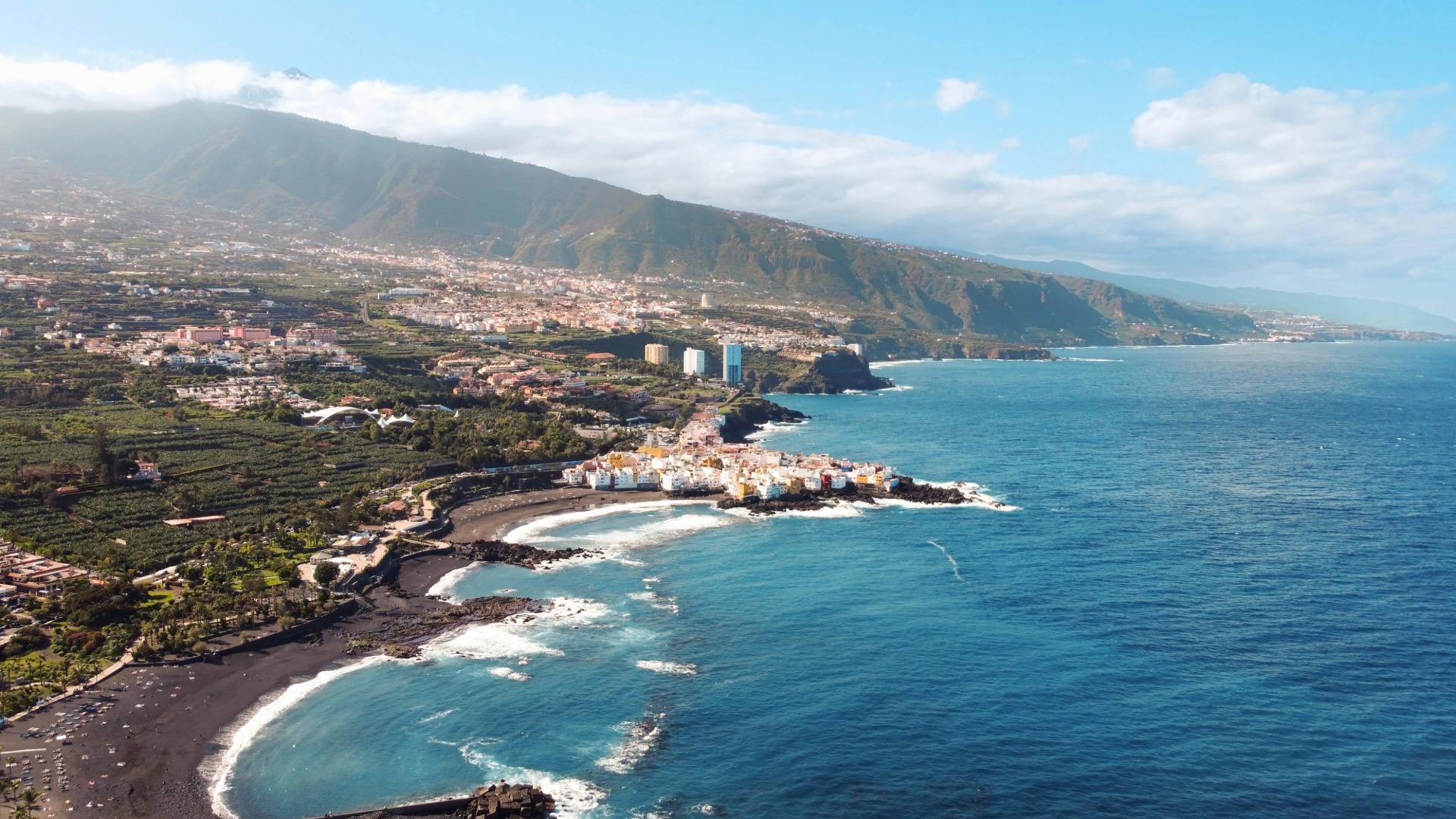
For many people across Europe considering a move to Tenerife, one of the most underestimated questions is not about price or location, but about daily logistics — specifically, whether it is possible to live comfortably without a car.
The short answer is yes, but only in certain areas.
Tenerife is more car-oriented than many European cities, the island has a reliable road network and a functional public transport system. But choosing the right area is essential, particularly for retirees, remote workers and second-home buyers planning long stays.
Costa Adeje: The Most Complete Car-Free Lifestyle in the South
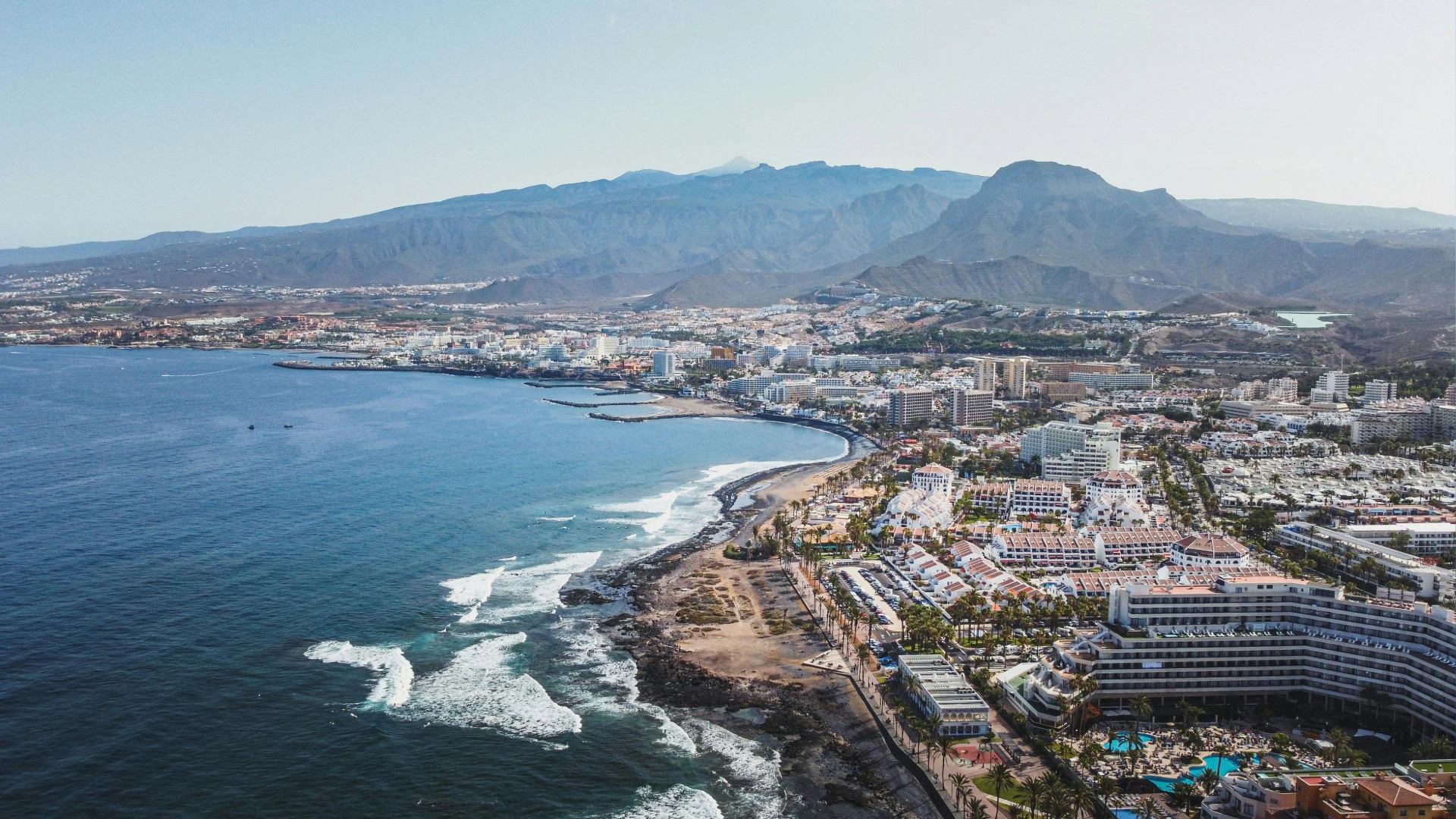
Costa Adeje is a fully walkable coastal area.
Over the past decade, it has been developed with tourism and international residents in mind, resulting in a high concentration of services within short distances. Areas such as Fañabé, Torviscas and El Duque are connected by a continuous promenade, allowing residents to move easily between beaches, restaurants and commercial areas without needing transport.
From a practical standpoint, Costa Adeje offers supermarkets within walking distance, private healthcare clinics, shopping centres and strong public transport connections.
Bus routes from Costa Adeje connect directly to Los Cristianos, Santa Cruz and even the airport, making it one of the most accessible areas on the island.
Los Cristianos: A Functional Alternative with Strong Infrastructure
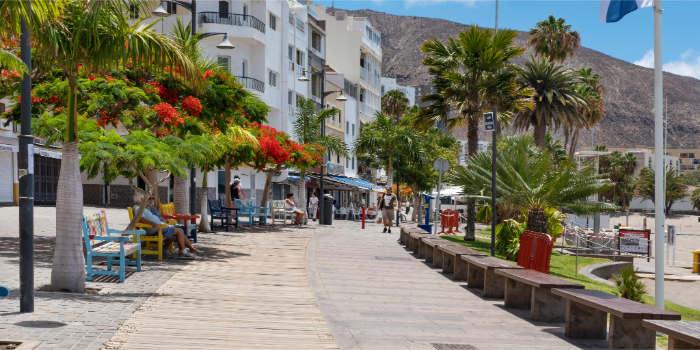
Los Cristianos offers a more practical and often more affordable alternative to Costa Adeje, while maintaining a high level of accessibility.
Unlike more resort-driven areas, Los Cristianos has a well-established urban structure, with a central town layout that supports everyday living. The presence of a main bus station significantly improves connectivity, making it easier to travel across the island without a car.
The town also benefits from flat terrain, a dense network of services and walkable access to beaches, which makes daily life simpler and more efficient.
For long-term residents, this creates a sustainable car-free lifestyle without sacrificing convenience.
El Médano: A Compact, Lifestyle-Oriented Option
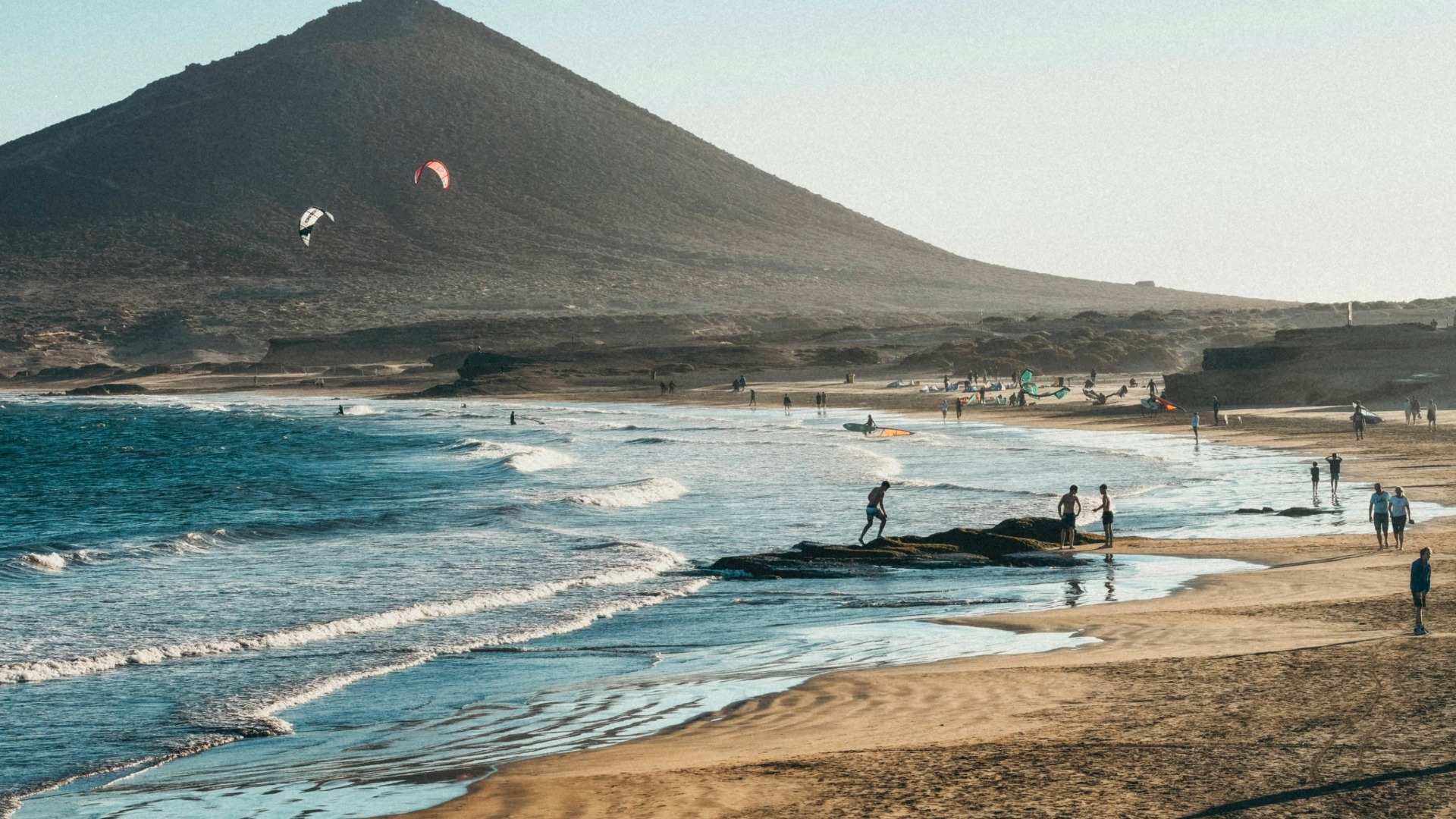
El Médano offers a different type of car-free living.
The town is smaller and more compact, with most essential services located within a short walking radius. Its beachfront promenade, local cafés and supermarkets are all easily accessible, allowing residents to manage daily life without needing transport.
However, El Médano is not designed around tourism infrastructure in the same way as Costa Adeje. Its appeal is more lifestyle-driven, particularly for those interested in outdoor sports and a more local environment.
Public transport is available, but less frequent and less centralised, meaning that travelling beyond the area may require additional planning.
Where a Car Becomes Essential
 While some areas support walkability, a large part of south Tenerife remains dependent on cars.
Locations such as Callao Salvaje, Playa Paraíso or Golf del Sur are more spread out in terms of urban layout.
Although these areas offer lower property prices and good residential options, they often lack centralised services, walkability and frequent public transport.
In these locations, everyday activities typically require driving.
Public Transport in Tenerife: What to Expect
Tenerife’s public transport system is based primarily on buses, with the network operated by TITSA, the island’s main public transport provider.
TITSA connects most parts of the island through an extensive bus network, with the strongest coverage in the south and between major urban areas. In zones such as Costa Adeje and Los Cristianos, services are frequent, reliable and practical for daily use.
However, there are limitations. Frequency and convenience vary depending on location, with less central areas having fewer connections and longer waiting times. Travel times can also be significantly longer compared to driving, particularly on routes connecting the south with Santa Cruz or the north of the island.
For example, connections between Costa Adeje and Los Cristianos are frequent and straightforward, while routes to smaller towns or inland areas are more limited.
This makes transport access a key factor when choosing where to buy property in Tenerife.
In summary, Living in Tenerife without a car is entirely possible, but only in specific areas with the right infrastructure.
Understanding how walkability, transport and daily logistics vary across the island can significantly impact long-term satisfaction — particularly for buyers planning to spend extended periods in Tenerife.
If you are considering buying property in Tenerife and want to find the right area based on your lifestyle and daily needs, the team at Luxury World Properties can help you identify the best opportunities across the island.
Don’t hesitate to get in touch to explore your options.
Artículos recientes

19 de marzo de 2026 19/03/2026
5 Cheaper Alternatives to Costa Adeje: Where to Buy Property for Less in South Tenerife
Why Costa Adeje Sets the Price BenchmarkCosta Ade…

18 de marzo de 2026 18/03/2026
How Tenerife Celebrates International Events: What to Expect Throughout the Year
A Year-Round Destination with a Constant Event Ca…

11 de marzo de 2026 11/03/2026
Oceanfront Properties in Tenerife: Where to Find the Best Views
Owning an oceanfront property in Tenerife is a dr…
11 de marzo de 2026 11/03/2026
Canary Islands Tax Benefits for Buying Property
The Canary Islands are known for their year-round…
26 de febrero de 2026 26/02/2026
The New Construction Boom in Tenerife South: Quality, Regulation and International Demand
Tenerife South’s property landscape has entered a…