Romerías in Tenerife: Tradition, Culture and Local Life
 Carlos Quintero
What Is a Romería in Tenerife?
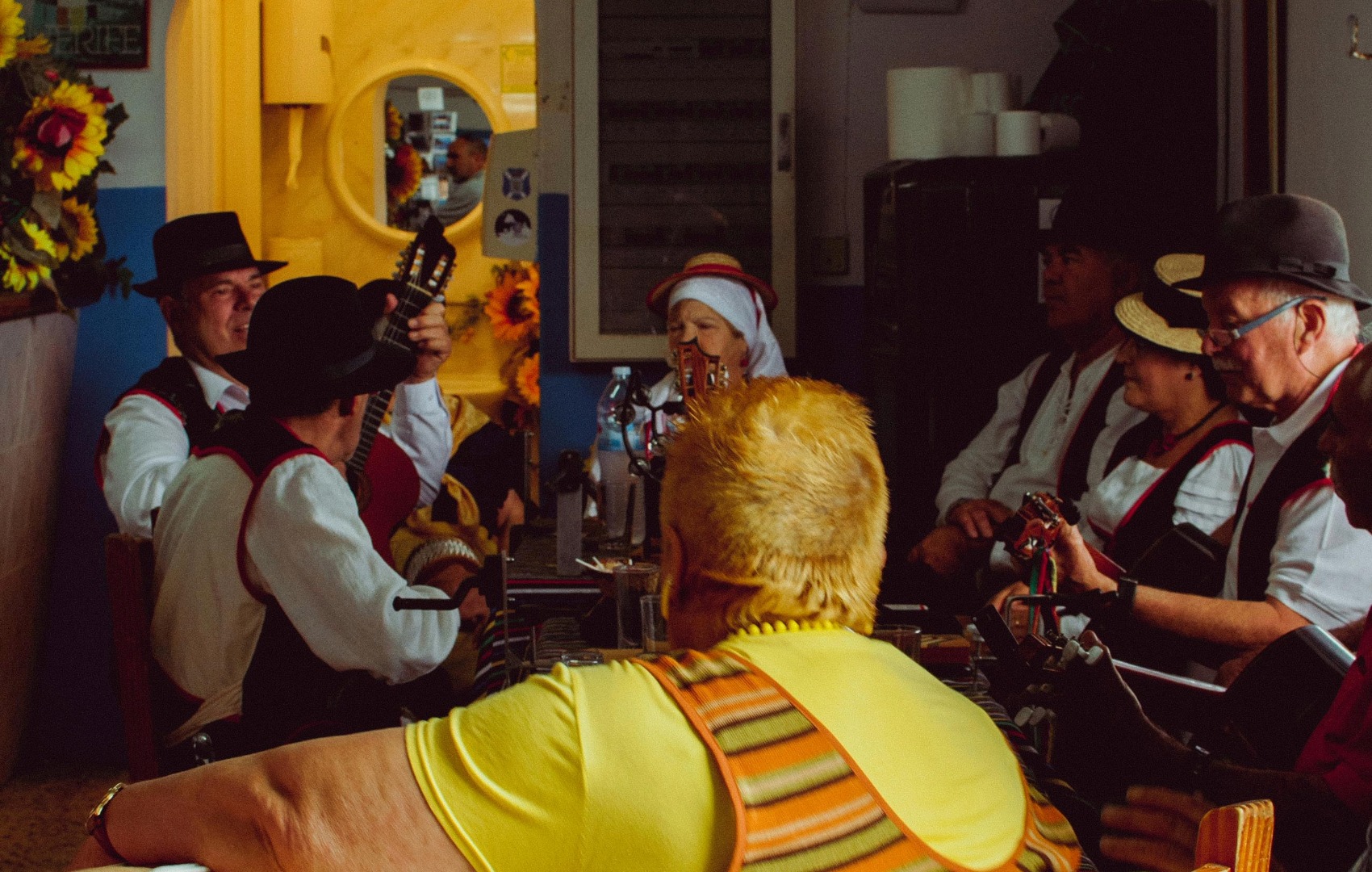
A romería is one of the most authentic expressions of Canarian culture. It combines religion, folklore, traditional dress, music, food and community life in a public celebration that usually takes place in honour of a saint or religious figure.
In Tenerife, romerías are not just events to watch. They are highly participatory celebrations where locals dress in traditional Canarian clothing, decorate carts, play folk music and share local food such as papas arrugadas, gofio, cheese, wine and traditional sweets. Turismo de Tenerife describes romerías as celebrations where decorated carts, traditional clothing, papas arrugadas and Canarian food fill the streets, combining fun and devotion.
For anyone spending time on the island, attending a romería is one of the best ways to understand Tenerife beyond its beaches and resorts.
Why Romerías Matter in Tenerife
Romerías are important because they connect modern Tenerife with its agricultural and rural roots.
Many of these celebrations are linked to the countryside, harvests, livestock and local patron saints. They reflect a side of the island that is deeply connected to land, family, tradition and community identity.
This is especially important because Tenerife is often seen from the outside as a tourism destination. Romerías show a different reality: an island with strong cultural traditions that continue to be lived actively by local communities.
They also create a sense of continuity. Families participate year after year, local groups prepare costumes and carts, and towns organise their celebrations as some of the most important moments in their annual calendar.
Romería de San Marcos in Tegueste
One of the most famous romerías in Tenerife is the Romería de San Marcos in Tegueste.
It is usually celebrated in April and is considered one of the major traditional events on the island. In 2026, the Ayuntamiento de Tegueste reported around 15,000 attendees at the LVIII edition, with participation from decorated carts, boats, carts, livestock, floral dances and folklore groups.
What makes Tegueste special is the level of local involvement. The celebration is not only about the procession itself, but about the preparation, the traditional clothing, the decorated carts and the pride of the municipality.
For visitors, it offers one of the most complete examples of a Canarian romería: colourful, crowded, musical and strongly rooted in local identity.
Romería de San Isidro in Los Realejos
Another key celebration is the Romería de San Isidro in Los Realejos, one of the most traditional in the north of Tenerife.
According to Wonderful Tenerife, the first San Isidro romería in Los Realejos dates back to 1676, and the event has been declared of national tourist interest.
This romería is especially connected to the agricultural world. Decorated carts represent local streets and neighbourhoods, and participants traditionally share food and wine with attendees. The celebration also includes livestock exhibitions and traditional elements linked to the rural identity of the area.
It is one of the best examples of how romerías preserve Tenerife’s relationship with farming, local produce and community celebration.
Romería de San Benito Abad in La Laguna
La Laguna also hosts one of the most recognised romerías in Tenerife: the Romería Regional de San Benito Abad.
This celebration is especially important because La Laguna is one of the island’s great historic and cultural centres. The romería brings together tradition, religious devotion and Canarian identity in a city with strong heritage value.
Unlike smaller village romerías, San Benito has a wider regional character. It attracts people from different parts of the island and is often seen as one of the major expressions of Canarian folklore.
For those interested in Tenerife’s cultural depth, this is one of the romerías worth experiencing.
Romería de San Isidro in La Orotava
La Orotava is another essential location when discussing traditional celebrations in Tenerife.
The Romería de San Isidro Labrador forms part of a wider festive calendar in the town and reflects La Orotava’s strong cultural and historical identity. The town itself is known for its traditional architecture, historic streets and deep connection to local customs.
This romería offers a more elegant and historic setting than some others, with the celebration unfolding in one of the most visually distinctive municipalities on the island.
For visitors, it combines the atmosphere of a traditional romería with the architectural beauty of La Orotava.
Romería de San Roque in Garachico
The Romería de San Roque in Garachico is another important event, especially because of its coastal and historic setting.
Garachico already has a strong identity as one of Tenerife’s most atmospheric towns, with its volcanic coastline, historic centre and traditional character. During the romería, this setting becomes part of the celebration.
The event combines religious devotion with popular participation, music and local pride. It is a good example of how each romería has its own personality depending on the town where it takes place.
What to Expect at a Romería
A romería in Tenerife usually includes several elements.
The celebration often begins with a religious service or procession. After that, decorated carts, livestock, musicians, dancers and local groups move through the streets.
The atmosphere is festive but also respectful. Many people wear traditional Canarian clothing, and food and drink are shared along the route. Music plays a central role, especially through parrandas and folklore groups.
For someone attending for the first time, the most important thing to understand is that a romería is not just a parade. It is a living community celebration.
Why Romerías Are Valuable for People Living in Tenerife
For those considering life in Tenerife, romerías offer an important insight into the island’s identity.
They show that Tenerife is not only about beaches, tourism and international communities. It is also a place with deeply rooted traditions, strong local pride and a cultural calendar that remains active throughout the year.
This matters because lifestyle is not only defined by climate or property. It is also shaped by the cultural life of the place.
Living in Tenerife means having access to both: an international lifestyle and authentic local traditions.
Tips for Attending a Romería in Tenerife
If you attend a romería, it is worth planning ahead.
The most popular events can attract thousands of people, so transport, parking and arrival time matter. In the case of Tegueste, for example, local authorities have previously organised traffic restrictions and special transport measures during the Romería de San Marcos.
It is also recommended to dress respectfully. You do not necessarily need to wear traditional clothing, but many locals do, and it is part of the visual identity of the event.
Finally, go with the right mindset. Romerías are lively, busy and informal. The best way to experience them is to walk, observe, try local food and enjoy the atmosphere without rushing.
In Summary
Romerías are among the most authentic cultural experiences in Tenerife.
From San Marcos in Tegueste to San Isidro in Los Realejos, San Benito in La Laguna and San Roque in Garachico, these celebrations reveal a side of the island that is deeply connected to tradition, community and local identity.
For visitors, they offer a memorable cultural experience. For residents, they are part of the rhythm of island life.
And for anyone looking to understand Tenerife beyond the usual image, romerías are one of the best places to start.
If you are considering Tenerife not only as a destination, but as a place to live and experience throughout the year, Luxury World Properties can help you explore the areas that best match your lifestyle.
Don’t hesitate to get in touch to learn more.
Artículos recientes
29 de abril de 2026 29/04/2026
Hiking Routes in Tenerife: Most Impressive Landscapes
An Island Designed for HikingTenerife offers one …
28 de abril de 2026 28/04/2026
Shopping in Playa de las Américas: The Main Shopping Centres
More Than a Tourist AreaPlaya de las Américas is …
16 de abril de 2026 16/04/2026

Best Marinas in Tenerife for Yacht Owners
A Strategic Location for Yachting in the Atlantic…
16 de abril de 2026 16/04/2026
The Best Golf Courses in Tenerife: Where to Play Year-Round
A Destination Designed for Golf All YearTenerife …
16 de abril de 2026 16/04/2026
Best Outdoor Activities You Can Do Year-Round in Tenerife
A Destination Where Outdoor Living Is Not Seasona…