What Is IBI in Spain? A Complete Guide for Property Buyers
 Carlos Quintero
What Is IBI in Spain? A Complete Guide for Property Buyers in Tenerife
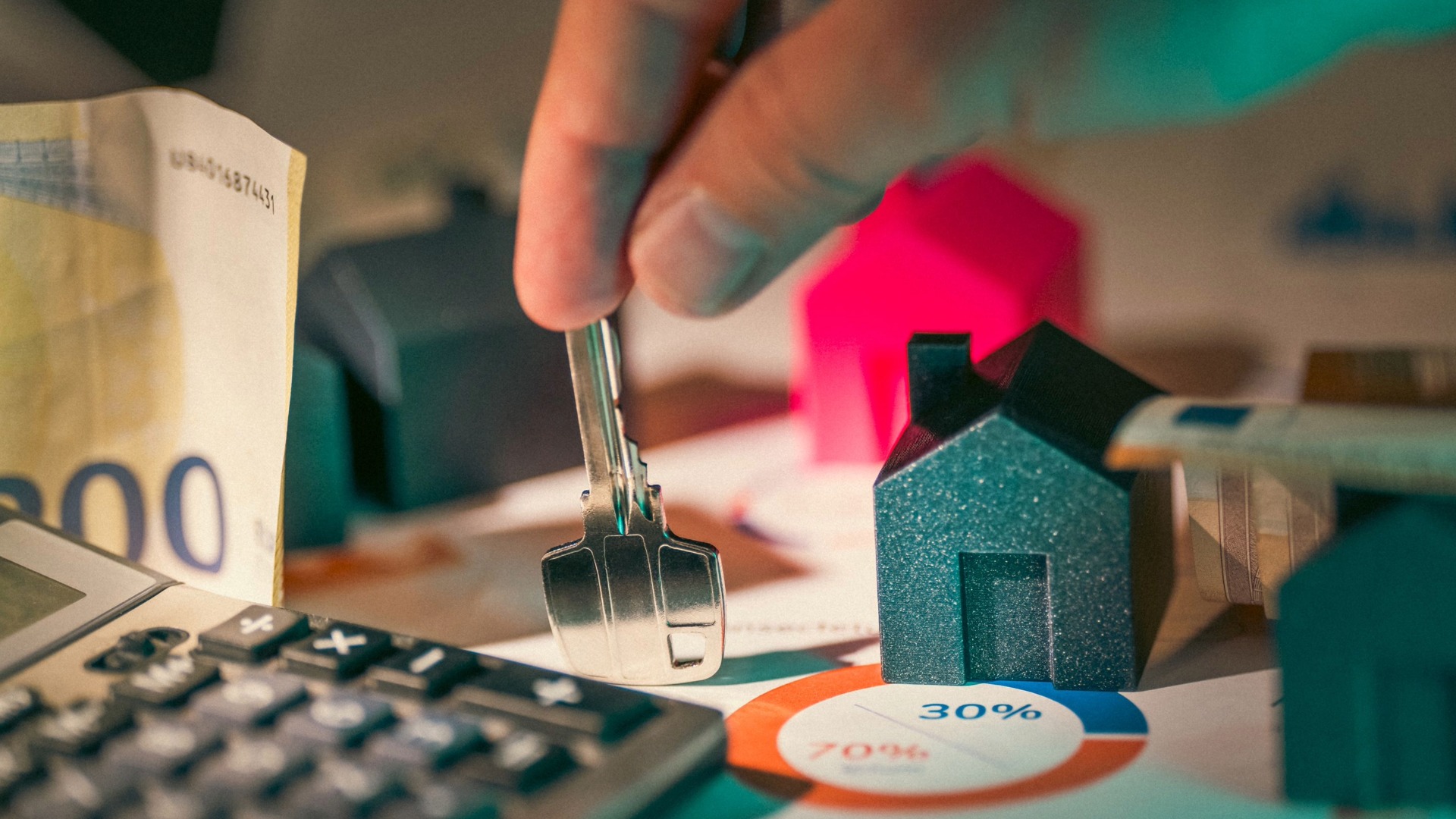
If you're considering buying property in Tenerife, you'll quickly come across the term IBI.
Whether you're purchasing a holiday apartment, a family home or a luxury villa, understanding IBI is an important part of owning property in Spain. Fortunately, it's also one of the easiest annual costs to understand.
In this guide, we'll explain what IBI is, who pays it, how it's calculated, when it's due and what you should check before completing your purchase.
What Is IBI?
IBI stands for Impuesto sobre Bienes Inmuebles, which translates to Property Tax.
It is an annual municipal tax charged by the local council (Ayuntamiento) to owners of real estate in Spain.
Every property owner is responsible for paying IBI each year, regardless of whether the property is:
- A primary residence
- A holiday home
- A rental property
- An investment property
- A commercial property
- A plot of land
The money collected helps fund local public services such as:
- Road maintenance
- Public lighting
- Parks and gardens
- Waste collection
- Local police
- Public infrastructure
- Municipal services
Unlike income tax, IBI is linked to the property itself rather than the owner's personal financial situation.
Is IBI the Same Across Spain?
No.
Every municipality sets its own IBI rate within limits established by Spanish law.
This means the amount you pay depends on:
- The municipality where the property is located
- The cadastral value (Valor Catastral) of the property
- The tax rate established by the local council
As a result, two similar properties located in different municipalities can have different IBI bills.
In Tenerife, municipalities such as Adeje, Arona, Granadilla de Abona, Guía de Isora and Santiago del Teide each apply their own local rates.
What Is the Cadastral Value?
One of the most common misconceptions among foreign buyers is that IBI is based on the market value of a property.
It isn't.
Instead, it is calculated using the property's Valor Catastral, or cadastral value.
The cadastral value is assigned by the Spanish Cadastre (Catastro) and generally reflects factors such as:
- Location
- Land value
- Building characteristics
- Property size
- Age of the building
- Construction quality
In many cases, the cadastral value is significantly lower than the property's current market value.
For this reason, owning a €1.5 million villa does not necessarily mean paying an exceptionally high IBI bill.
How Much Is IBI in Tenerife?
There is no single amount because every property is different.
However, as a general guide:
- Apartments often pay between €200 and €600 per year.
- Larger family homes may range from €500 to €1,200 annually.
- Luxury villas can exceed these figures depending on their cadastral value and municipality.
These are illustrative ranges rather than fixed amounts. The exact annual tax should always be confirmed before purchasing a property.
A real estate agent or lawyer can usually obtain a copy of the latest IBI receipt during the buying process.
Who Pays the IBI When Buying a Property?
This is a question many buyers ask.
As a general rule, the person who owns the property on 1 January of the tax year is legally responsible for that year's IBI.
However, during the sale process, buyers and sellers often agree to divide the annual amount proportionally according to the completion date.
For example:
- If a sale completes in July, the seller may pay for the first half of the year and the buyer for the second half.
- This arrangement is negotiated between the parties and reflected in the completion statement.
Your solicitor or conveyancing lawyer will normally handle this calculation.
When Is IBI Paid?
Payment dates vary depending on the municipality.
Most councils establish an annual payment period during which owners can pay without penalties.
Many homeowners choose to set up a direct debit with their Spanish bank account so that the payment is made automatically each year.
Automatic payment helps avoid missed deadlines and possible surcharges.
What Happens If IBI Isn't Paid?
Unpaid IBI remains attached to the property.
If the tax is not settled, the local authority may:
- Apply late payment surcharges
- Charge interest
- Begin collection proceedings
For this reason, one of the standard checks carried out before buying a property is to confirm that all outstanding IBI has been paid.
This helps ensure the buyer does not inherit unresolved municipal debts linked to the property.
Is IBI Tax-Deductible?
Whether IBI is deductible depends on how the property is used and your individual tax circumstances.
For example, owners who rent out their property may, in certain cases, be able to include IBI as an allowable expense when calculating taxable rental income.
Because tax rules vary depending on residency status and individual circumstances, it's advisable to seek guidance from a qualified tax adviser.
Should Buyers Check the IBI Before Purchasing?
Absolutely.
Requesting the latest IBI receipt is a routine part of the purchasing process.
It allows buyers to:
- Confirm the annual property tax.
- Verify there are no outstanding debts.
- Check the property's cadastral reference.
- Better understand the ongoing ownership costs.
Reviewing these documents early helps avoid surprises after completion.
IBI vs Community Fees
IBI is sometimes confused with community fees, but they are completely different.
IBI is a municipal property tax paid to the local council.
Community fees are paid to the community of owners and help maintain shared facilities such as:
- Swimming pools
- Gardens
- Lifts
- Security
- Cleaning
- Communal lighting
Most apartments and many residential developments in Tenerife have community fees, while IBI applies to virtually every property.
Is IBI Expensive?
Compared with many other European countries, Spain's annual property tax is generally considered relatively moderate.
While the exact amount depends on the property and municipality, IBI is usually only one part of the overall cost of ownership, alongside community fees, utilities, insurance and routine maintenance.
Understanding these ongoing costs before buying allows purchasers to budget with confidence and avoid unexpected expenses.
Final Thoughts
IBI is one of the most important annual costs associated with owning property in Spain, but it is also one of the simplest to understand.
Knowing how it is calculated, when it is paid and how it differs from other ownership costs will help you make informed decisions when purchasing property in Tenerife.
As with any real estate transaction, reviewing the latest IBI receipt before completing the purchase is a straightforward step that provides valuable peace of mind.
Looking to Buy Property in Tenerife?
At Luxury World Properties, we guide buyers through every stage of the purchasing process—from finding the right property to understanding ongoing ownership costs such as IBI, community fees and local taxes. Our multilingual team is here to help you buy with confidence and enjoy a smooth, transparent experience from start to finish.
Artículos recientes

1 de septiembre de 2026 01/09/2026
What Documents Do You Need to Sell Property in Tenerife?
What Documents Do You Need to Sell a Property in …
1 de septiembre de 2026 01/09/2026
How Much Is My Property Worth in Tenerife?
How Much Is My Property Worth in Tenerife?If you'…
1 de septiembre de 2026 01/09/2026
How Much Does It Cost to Sell a Property in Tenerife?
How Much Does It Cost to Sell a Property in Tener…

1 de septiembre de 2026 01/09/2026
What Taxes Do You Pay When Selling Property in Tenerife?
What Taxes Do You Pay When Selling Property in Te…

1 de septiembre de 2026 01/09/2026
How to Sell a Property in Tenerife: Step-by-Step Guide
How to Sell a Property in Tenerife: Step-by-Step …