Why Isn’t My Property Selling in Tenerife?
 Carlos Quintero
Why Isn’t My Property Selling in Tenerife?
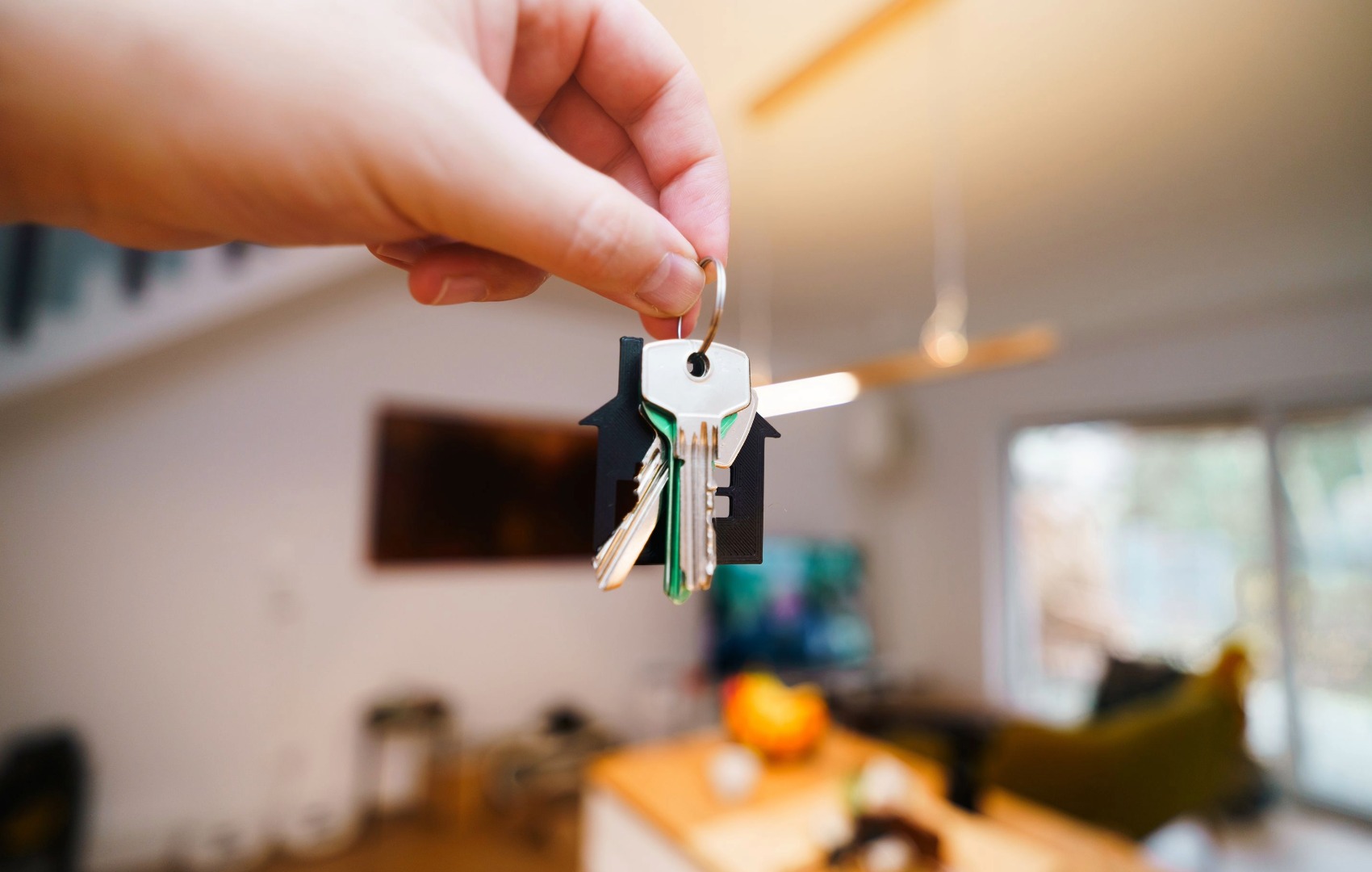
Your property has been listed for weeks or even months.
The advertisement is online, you've had some enquiries and perhaps several viewings — but no serious buyer has made an acceptable offer.
So, why isn't your property selling?
There isn't always one single reason. A property can struggle because of its asking price, presentation, marketing, competition or even the way viewings and enquiries are being managed.
In Tenerife, there's another important factor: the buyer market is highly international. Your property isn't only competing with the apartment next door. Buyers can compare hundreds of properties across different areas of the island before deciding where to spend their money.
If your property has been sitting on the market without results, these are the areas worth reviewing.
1. The Asking Price Is Too High
Price is usually the first thing to analyse.
Owners naturally want to achieve the highest possible return, but the value of a property isn't determined by how much the seller needs from the sale or what another owner is asking online.
It is ultimately determined by what buyers are prepared to pay in the current market.
Suppose similar apartments in your area are competing around €400,000–€430,000.
If yours is listed at €495,000 without offering significantly better views, condition, outdoor space or other advantages, buyers are likely to compare it with properties in the higher price bracket.
Your apartment may therefore be attractive in isolation but poor value relative to its competition.
That distinction is critical.
2. You Based the Price on Other Asking Prices
This is one of the easiest mistakes to make.
You find three similar properties online at €500,000 and conclude that yours must also be worth approximately €500,000.
But those properties haven't necessarily sold.
They may have been advertised at that price for months.
An asking price tells you what a seller hopes to achieve. It doesn't automatically tell you what the market is willing to pay.
Active listings are useful because they show your competition, but a proper valuation should consider broader market evidence, property characteristics and actual buyer response.
If several comparable homes have remained unsold for long periods, copying their prices may simply mean copying their mistake.
3. The Property Was Initially Overpriced
Owners sometimes think:
“We'll start high. We can always reduce the price later.”
The problem is that a property's launch period can be one of its strongest marketing opportunities.
Serious buyers who have been searching in Tenerife for several months are often monitoring new listings.
When your property first appears, they notice it.
If the price immediately looks unrealistic, they may dismiss it.
Three months later, you reduce the price.
Then again.
Eventually, you reach the price at which the property perhaps should have entered the market originally.
But now buyers have already seen the listing repeatedly.
Instead of appearing like an exciting new opportunity, it can start generating another question:
“Why hasn't this property sold?”
Strategic pricing from the beginning can therefore be more effective than repeatedly chasing the market downwards.
4. The Property Doesn't Present Well Online
Before buyers visit your property, they usually see it on a screen.
That means your first viewing effectively happens online.
Dark photographs, distorted wide-angle images, cluttered rooms or poor exterior shots can make a good property look significantly less attractive than it actually is.
Professional real estate photography should communicate:
Space.
Natural light.
Layout.
Outdoor areas.
Views.
Condition.
The property's strongest selling points.
Presentation matters as well.
You don't necessarily need a major renovation, but decluttering, cleaning and dealing with obvious maintenance issues can dramatically improve how buyers perceive the home.
The goal is to make it easy for someone viewing the listing from another country to imagine themselves living there.
5. Your Marketing Isn't Reaching the Right Buyers
Tenerife has an unusually international property market.
A buyer for your home may currently be living in Madrid, London, Amsterdam, Brussels, Berlin, Warsaw, Paris or elsewhere.
Simply uploading the property to one portal doesn't necessarily mean you're reaching the strongest possible audience.
Depending on the property, effective exposure can include professional photography, video, property portals, agency websites, social media, international databases and multilingual marketing.
However, more exposure isn't automatically better.
A €300,000 residential apartment and a €2 million villa require very different marketing strategies.
The objective is to put the property in front of the buyers most likely to purchase that specific home.
6. Buyers Don't See Enough Value
Sometimes the problem isn't that buyers dislike the property.
They simply prefer another one.
Imagine your apartment is listed for €450,000.
A buyer likes the location and views, but another apartment nearby is available for €440,000 with private parking and a larger terrace.
Or perhaps a property at €470,000 has been fully renovated and offers considerably better communal facilities.
Your home is being evaluated within that competitive context.
This is why seller feedback should never be limited to:
“People like it.”
The more useful question is:
“Do buyers prefer it to the alternatives available for similar money?”
If the answer is consistently no, something about the property's price, presentation or positioning needs to change.
7. The Listing Doesn't Explain What Makes the Property Special
Generic property descriptions waste valuable selling points.
Consider these two approaches:
“Two-bedroom apartment with terrace and swimming pool.”
Versus:
“Two-bedroom corner apartment with a large west-facing terrace, open Atlantic views and private parking, within walking distance of the coast.”
The second immediately gives the buyer reasons to pay attention.
Every property has a hierarchy of selling points.
For one apartment, it may be the terrace.
For another, the location.
For a villa, it could be privacy, architecture or panoramic views.
Your marketing should identify the strongest reasons someone would choose your property instead of another one.
What If You're Getting Enquiries but No Viewings?
The type of response you're receiving can help identify the problem.
If the listing generates views online but almost nobody requests a physical viewing, buyers may not perceive sufficient value to take the next step.
Price is one possible reason.
Presentation, description or incomplete information could also be contributing.
Review how the property appears next to its direct competitors.
If you were the buyer, would your listing be one of the first properties you wanted to visit?
If not, determine why.
What If You're Getting Viewings but No Offers?
This is a different problem.
If buyers consistently arrange viewings but don't make offers, your marketing is doing at least part of its job: it is getting people through the door.
Now you need to understand what changes once they arrive.
Perhaps the apartment feels smaller than the photographs suggest.
Maybe road noise becomes noticeable.
The property may need more renovation than buyers expected.
The building could be less attractive than the interior.
Or buyers may like everything but still believe the price is too high.
This is where structured feedback from viewings becomes extremely valuable.
One buyer's opinion doesn't define the market.
But if six unrelated buyers raise the same objection, you should pay attention.
What If You're Receiving Only Low Offers?
Low offers don't automatically mean your asking price is wrong.
Some buyers simply negotiate aggressively.
But repeated offers clustering around the same level can provide useful information.
Imagine you're asking €600,000.
Over several months, three credible buyers independently offer around €530,000–€550,000.
That doesn't prove the property is worth €550,000.
But it is market evidence worth analysing.
The important distinction is between speculative offers and offers from financially capable buyers who have viewed the property and genuinely want to purchase it.
Too Many Estate Agents Can Sometimes Hurt the Listing
Owners sometimes assume that listing with as many agencies as possible automatically creates maximum exposure.
It can also create problems.
The same property may appear repeatedly online with:
Different prices.
Different descriptions.
Different photographs.
Incorrect information.
Different surface areas.
Old and new listings simultaneously.
To a buyer, this can make the property appear poorly controlled or difficult to sell.
It may also weaken the incentive for any individual agency to invest heavily in presentation and marketing.
Exposure matters, but consistency and strategy matter too.
Your Property May Need Repositioning
If a listing has been on the market for a long time, simply leaving it online indefinitely may not be the best strategy.
A repositioning could involve:
Reassessing the asking price.
Creating new professional photography.
Improving the property presentation.
Rewriting the listing around stronger selling points.
Correcting inconsistent information.
Changing the marketing channels.
Targeting different buyer markets.
In some cases, the property itself hasn't changed at all.
What changes is how the market perceives it.
Don't Renovate Without Knowing Why It Isn't Selling
If your property isn't selling, your first reaction might be to spend money renovating it.
That isn't always necessary.
If the main problem is an unrealistic asking price, installing a new kitchen may not solve it.
Likewise, if the property already attracts buyers who expect to renovate according to their own taste, an expensive cosmetic refurbishment might provide a poor return.
Before investing money, identify the actual obstacle.
Sometimes professional staging, minor repairs and better photography are enough.
Sometimes price is the issue.
And sometimes a particular improvement genuinely could broaden the buyer pool.
The solution should follow the diagnosis.
When Should You Reduce the Price?
There is no universal number of weeks after which every seller should reduce their asking price.
Instead, look at the evidence.
Consider:
How many relevant enquiries have you received?
How many viewings?
What feedback are buyers giving?
Have comparable properties sold?
Has new competition entered the market?
Are buyers making offers?
How long have you been listed?
If the property has received strong exposure but consistently fails to generate meaningful interest, the asking price deserves serious review.
A price adjustment should be strategic rather than simply reducing by a small amount every few weeks.
Should You Change Estate Agents?
Not automatically.
First establish why the property isn't selling.
If the agency has produced strong marketing, generated qualified viewings, provided useful feedback and advised you that the price is unrealistic, changing agencies won't necessarily solve the underlying problem.
On the other hand, if the listing has poor photography, limited exposure, inaccurate information, slow enquiry handling and little communication, a different strategy may be justified.
Ask what has actually been done to sell the property and what the data from the market is telling you.
Final Thoughts
If your property isn't selling in Tenerife, don't assume that the market simply doesn't want it.
Analyse the evidence.
No enquiries can indicate a problem with visibility, presentation or price.
Enquiries but no viewings may suggest buyers don't see enough value to take the next step.
Viewings but no offers often mean something changes when buyers experience the property in person.
Repeated similar offers below the asking price can provide useful information about market expectations.
The solution isn't always reducing the price.
But continuing the same strategy for months while expecting a different result rarely makes sense either.
The strongest approach is to identify where buyers are dropping out of the process, understand why, and adjust the property's positioning accordingly.
Is Your Tenerife Property Not Selling?
If your property has been on the market without the results you expected, Luxury World Properties can review its current positioning, presentation, asking price and competition.
Our multilingual team works with local and international buyers across Tenerife and can help identify where your existing selling strategy may be losing potential purchasers.
Contact Luxury World Properties for a property valuation and a fresh assessment of how your home should be positioned in today's Tenerife market.
Artículos recientes

6 de octubre de 2026 06/10/2026
¿Qué es la RIC en Canarias y cómo funciona? Guía 2026
¿Qué es la RIC en Canarias y cómo funciona? Guía …
1 de septiembre de 2026 01/09/2026
How Long Does It Take to Sell a Property in Tenerife?
How Long Does It Take to Sell a Property in Tener…
1 de septiembre de 2026 01/09/2026
What Documents Do You Need to Sell Property in Tenerife?
What Documents Do You Need to Sell a Property in …
1 de septiembre de 2026 01/09/2026
How Much Is My Property Worth in Tenerife?
How Much Is My Property Worth in Tenerife?If you'…
1 de septiembre de 2026 01/09/2026
How Much Does It Cost to Sell a Property in Tenerife?
How Much Does It Cost to Sell a Property in Tener…