Best Places to Retire in Tenerife
 Carlos Quintero
Best Places to Retire in Tenerife: Where to Buy Your Dream Home
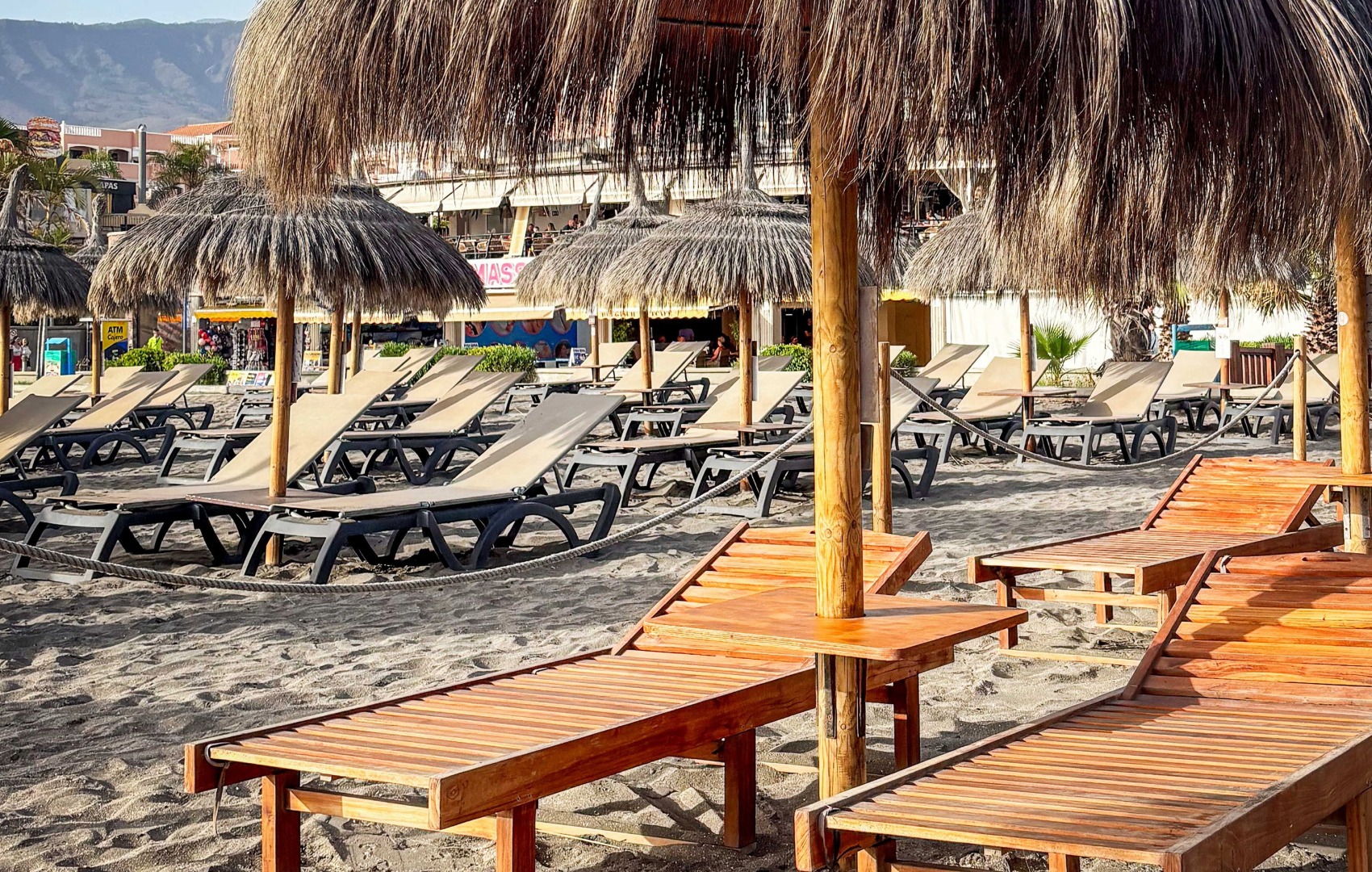
Retiring in Tenerife is an increasingly appealing idea for Europeans who dream of spending their retirement in a warmer climate, close to the ocean and surrounded by beautiful landscapes.
Imagine starting your morning with a walk along the seafront, enjoying lunch on a sunny terrace in December or spending your afternoons exploring the island's beaches, restaurants and natural surroundings.
For many retirees, Tenerife offers the opportunity to enjoy a more relaxed lifestyle while remaining connected to the rest of Europe.
The island combines a mild climate, established international communities, modern infrastructure and a wide selection of residential properties.
However, choosing where to retire in Tenerife requires more than finding an attractive apartment with sea views.
Healthcare access, proximity to supermarkets, transport connections, accessibility and the characteristics of each neighbourhood can make a significant difference to everyday life.
Some retirees prefer the convenience of Los Cristianos, while others are attracted to the premium surroundings of Costa Adeje or the quieter residential atmosphere of Palm-Mar.
In this guide, we explore the best places to retire in Tenerife in 2026, what makes each area attractive and what international buyers should consider before purchasing their retirement home.
Why Is Tenerife a Popular Destination for Retirement?
Tenerife offers several advantages for people considering retirement abroad.
One of the most important is its climate.
South Tenerife generally enjoys mild temperatures throughout the year, allowing residents to spend more time outdoors than in many northern European destinations.
For retirees from Germany, the Netherlands, Belgium, Poland, France and the United Kingdom, this can be particularly attractive during winter.
The island also provides access to beaches, coastal promenades, golf courses, restaurants and recreational activities.
Another advantage is connectivity.
Tenerife South Airport offers flights to numerous European destinations, making it easier to visit family or welcome relatives throughout the year.
The island also has established international residential communities.
This can help newcomers adapt to life abroad, particularly when they are still learning Spanish.
However, the best retirement destination depends on individual circumstances.
Some people value a lively coastal environment with everything within walking distance.
Others prefer privacy, quiet surroundings and a larger property.
Understanding these differences is essential when choosing where to live.
1. Los Cristianos: One of the Best Places to Retire Without a Car
Los Cristianos is one of the most established residential and tourist destinations in South Tenerife.
For many retirees, its greatest advantage is convenience.
The town offers supermarkets, pharmacies, restaurants, shops, beaches and other everyday services.
Its central areas are relatively walkable, although accessibility varies between streets and residential developments.
The seafront promenade is particularly attractive for people who enjoy walking and spending time outdoors.
Los Cristianos also has an established international community, making it a familiar destination for many European residents.
What Type of Property Can You Buy in Los Cristianos?
Apartments are among the most common property types.
Buyers can find homes in established residential complexes, some with communal swimming pools, lifts and terraces.
Properties close to the seafront may appeal to retirees who want easy access to restaurants and beaches.
However, the condition of individual buildings varies.
When buying for retirement, it is particularly important to check whether the building has a lift, whether access involves stairs and how far the property is from essential services.
A sea view may be attractive, but practical accessibility can become increasingly important over time.
Best for: Retirees who want a lively coastal town, convenient services and the possibility of managing everyday life without relying heavily on a car.
2. Costa Adeje: Premium Retirement Living by the Ocean
Costa Adeje is one of Tenerife's most desirable residential areas.
It combines attractive beaches, premium hotels, shopping facilities, restaurants and established residential neighbourhoods.
For retirees seeking a comfortable lifestyle with access to high-quality amenities, Costa Adeje offers several appealing options.
The area includes apartments, penthouses, townhouses and detached villas.
Some residential complexes feature communal swimming pools, landscaped gardens and secure parking.
Luxury properties may offer spacious terraces, private swimming pools and panoramic Atlantic views.
However, Costa Adeje covers a relatively large area.
Neighbourhoods such as Playa del Duque, Fañabé, Torviscas Alto and Roque del Conde have different characteristics.
For example, elevated residential areas may offer spectacular views but require more frequent car journeys.
Coastal locations may provide better access to promenades and amenities on foot.
Retirees should therefore evaluate the exact location of a property rather than focusing exclusively on the name Costa Adeje.
Best for: Buyers seeking premium properties, attractive surroundings and convenient access to restaurants, beaches and leisure facilities.
3. Palm-Mar: A Peaceful Residential Lifestyle
Palm-Mar is a coastal residential area in the municipality of Arona.
It has become attractive to international buyers who prefer a quieter environment than the main tourist centres.
The neighbourhood offers apartment complexes, restaurants and local services, with Los Cristianos accessible by car.
For retirees, Palm-Mar's appeal lies partly in its residential atmosphere.
It may be suitable for people who enjoy walking, spending time outdoors and living in a less crowded setting.
Some properties feature generous terraces, communal swimming pools and attractive views.
However, buyers should consider transport requirements.
Palm-Mar is not as centrally connected to the larger coastal towns as some other locations.
Depending on the property's position and personal mobility, owning a car may be more convenient.
It is also important to check the distance to healthcare services, supermarkets and other everyday necessities.
Best for: Retirees who prioritise tranquillity, residential surroundings and outdoor living.
4. Playa de las Américas: An Active Retirement Lifestyle
Playa de las Américas is known for its beaches, restaurants, shops and entertainment venues.
Although it is often associated with tourism, certain residential areas may also appeal to retirees who enjoy an active lifestyle.
The destination offers access to coastal promenades, shopping facilities and a wide variety of restaurants.
For people who prefer being surrounded by activity, this can be an advantage.
Many apartments are located in established complexes with communal facilities.
However, choosing the right neighbourhood is particularly important.
Some streets and areas are significantly busier than others, especially during evenings and peak visitor periods.
Retirees seeking a peaceful environment should consider noise levels, nearby businesses and the atmosphere at different times of day.
A property that feels quiet during a morning viewing may have a different environment in the evening.
Best for: Active retirees who enjoy restaurants, beaches, entertainment and convenient access to amenities.
5. La Caleta: Exclusive Coastal Retirement
La Caleta is a distinctive coastal area in the municipality of Adeje.
Known for its waterfront restaurants and attractive Atlantic setting, it offers a more exclusive atmosphere than many of Tenerife's larger tourist destinations.
The surrounding residential neighbourhoods include luxury apartments and contemporary villas.
For retirees seeking privacy and a premium lifestyle, La Caleta can be particularly appealing.
Its coastal location also provides opportunities for walks and outdoor activities.
However, property prices in desirable locations can be relatively high.
Buyers should also consider the accessibility of individual homes.
Some properties are located on elevated streets or within residential developments where a car may be useful.
La Caleta is especially attractive to buyers who prioritise quality of life, restaurants and comfortable residential surroundings.
Best for: Retirees seeking an exclusive coastal environment, privacy and premium property options.
6. El Médano: A Relaxed Seaside Town
El Médano offers a different atmosphere from the larger resort areas of South Tenerife.
Located in the municipality of Granadilla de Abona, it is known for its beaches, outdoor activities and relaxed coastal character.
The town has restaurants, cafés, supermarkets and an established local community.
For retirees who enjoy an informal seaside lifestyle, El Médano may be worth considering.
Its relatively compact centre can be convenient for everyday activities.
However, the area is also known for its wind, which is an important consideration.
While wind conditions attract watersports enthusiasts, they may not suit everyone.
Buyers should visit the area on different days and consider whether the climate and atmosphere match their preferences.
Property options include apartments, townhouses and other residential homes.
Best for: Retirees seeking a relaxed coastal town with local character and outdoor activities.
7. Adeje: Residential Comfort Away from the Main Tourist Areas
Adeje town and its surrounding residential neighbourhoods offer an alternative to living directly beside the coast.
Areas such as El Galeón have developed into established residential locations with supermarkets, sports facilities, shops and other services.
For retirees who prefer a more residential environment, these neighbourhoods may be attractive.
Properties can include apartments, townhouses and larger family homes.
Some buyers may appreciate the additional interior space available in certain residential developments.
However, inland locations can involve different temperatures, elevations and transport requirements from coastal neighbourhoods.
Buyers should consider whether they prefer walking access to the beach or a quieter residential setting with everyday services nearby.
Best for: Retirees who prioritise residential comfort, practical amenities and a less tourism-oriented environment.
How Much Does It Cost to Retire in Tenerife?
The cost of retirement in Tenerife depends on your housing situation and lifestyle.
Homeowners who purchase without a mortgage may have lower monthly housing expenses than renters, but they must still budget for property ownership costs.
These include annual IBI property tax, community fees, insurance, utilities and maintenance.
Apartment owners may contribute to communal swimming pools, gardens, lifts and other shared facilities.
Villa owners may face higher private maintenance expenses, particularly when the property includes a swimming pool or landscaped garden.
Other living costs include groceries, transport, healthcare, telecommunications and leisure activities.
The total budget will vary depending on whether you own a car, eat out frequently or maintain a larger property.
Before relocating, retirees should prepare a realistic monthly and annual budget.
It is also advisable to maintain an emergency fund for unexpected repairs or healthcare expenses.
Healthcare in Tenerife for Foreign Retirees
Healthcare is one of the most important considerations when retiring abroad.
Tenerife has public and private healthcare facilities, including hospitals, clinics and specialist services.
However, access to the Spanish public healthcare system depends on individual circumstances.
EU pensioners may be eligible to access healthcare in Spain through arrangements involving an S1 form issued by their competent country, where applicable.
Other residents may qualify through different legal routes.
Non-EU retirees may need to demonstrate appropriate healthcare coverage when applying for residency.
Private health insurance is another option, although coverage, exclusions and premiums vary.
Before moving, retirees should establish their healthcare entitlement and investigate facilities near their preferred residential area.
It is particularly important to consider access to regular medical appointments, pharmacies and specialist care.
For people with ongoing healthcare needs, proximity to suitable services may be more important than proximity to the beach.
Can EU Citizens Retire in Tenerife?
Yes. Citizens of European Union countries can generally move to Spain under the applicable free-movement rules.
However, residing in Spain for more than three months usually requires registration with the relevant authorities.
Economically inactive EU citizens may need to demonstrate sufficient resources and appropriate healthcare coverage, subject to the applicable legal requirements.
For retirees receiving pensions from another European country, additional administrative and tax considerations may apply.
These can include pension payments, healthcare arrangements and tax residency.
Retirees from Germany, the Netherlands, Poland, Belgium and France should examine how moving to Spain affects their individual circumstances.
The rules can differ depending on the type of pension and the applicable tax treaty.
Professional cross-border advice is recommended before making a permanent move.
Can British Citizens Retire in Tenerife?
British nationals can purchase property in Tenerife, but property ownership does not automatically provide Spanish residency.
Following the United Kingdom's departure from the European Union, British citizens generally need an appropriate immigration status to reside in Spain beyond the permitted short-stay period.
For visits without a residence authorisation, the Schengen 90-days-in-180-days rule generally applies.
Retirees considering permanent relocation may need to explore an appropriate residence route, such as Spain's non-lucrative residence visa, where eligible.
Applicants must satisfy the relevant financial, healthcare and documentation requirements.
The correct route depends on individual circumstances.
British retirees should also consider how relocation affects pension payments, healthcare and taxation.
Do You Pay Tax on Your Pension If You Retire in Tenerife?
Pension taxation depends on your tax residency, the type of pension and the applicable double taxation agreement.
In Spain, an individual may become a tax resident by spending more than 183 days in the country during a calendar year.
Other criteria, including the location of economic interests, may also be relevant.
Tax residents are generally subject to Spanish taxation on worldwide income, subject to applicable exemptions and treaty provisions.
However, pensions are not all treated identically.
Private pensions, state pensions and certain public-service pensions may have different treatment under international tax agreements.
For example, the tax treatment of a German pension may differ from that of a Dutch or British pension.
Before relocating permanently, retirees should obtain advice from a professional familiar with taxation in both Spain and their country of origin.
This can help avoid unexpected liabilities and ensure that the correct reporting obligations are met.
Buying vs Renting a Retirement Home in Tenerife
One of the first decisions when planning retirement in Tenerife is whether to buy or rent.
Renting offers flexibility.
It allows newcomers to experience different neighbourhoods before committing to a permanent location.
This can be particularly useful for retirees who have previously visited Tenerife only for short holidays.
Buying provides greater control over the property and the opportunity to establish a permanent home.
However, purchasing involves taxes, legal fees and ongoing maintenance obligations.
For retirees who are uncertain about their preferred location, renting initially may be a practical option.
Those already familiar with the island and confident about their long-term plans may prefer to purchase.
The decision should reflect personal finances, lifestyle and the expected duration of the stay.
What Type of Property Is Best for Retirement?
The ideal retirement property should combine comfort with practical accessibility.
Apartments with lifts and manageable maintenance requirements can be particularly convenient.
Properties with large terraces may appeal to buyers who want to enjoy Tenerife's outdoor lifestyle.
However, features such as stairs, steep access roads and complicated layouts should be considered carefully.
A townhouse with several floors may provide generous space but could become less convenient over time.
Similarly, a detached villa may offer privacy but require more maintenance.
When viewing properties, retirees should consider whether the home will remain suitable as their needs change.
Access to parking, supermarkets, pharmacies and healthcare services can be especially important.
The most attractive property is not necessarily the most practical long-term home.
Can You Buy Property in Tenerife Before Retiring?
Yes. Many international buyers purchase a property in Tenerife several years before their planned retirement.
This allows them to become familiar with the area and use the home during holidays.
However, buyers should consider the ongoing costs of owning a property while living abroad.
They should also understand that purchasing a home does not automatically establish residency rights.
If the property will remain unoccupied for extended periods, appropriate maintenance and security arrangements may be necessary.
Some buyers consider renting out the property before retirement.
However, the intended rental activity must comply with the relevant Spanish and Canary Islands regulations.
Short-term tourist accommodation is subject to specific legal requirements and cannot be assumed permissible in every residential property.
Purchasing before retirement can be a suitable strategy, provided the financial and legal implications are understood.
Common Mistakes When Retiring in Tenerife
One common mistake is choosing a property based exclusively on holiday experiences.
A location that feels ideal during a two-week visit may be less convenient for permanent living.
Another mistake is underestimating the importance of healthcare access and everyday services.
Retirees should also avoid assuming that property ownership automatically provides residency rights.
Tax planning is another essential consideration.
Moving to Spain can affect the taxation of pensions, savings and other income.
Buyers should also consider ongoing maintenance expenses, particularly when purchasing larger homes.
Finally, it is important to visit different neighbourhoods and experience their atmosphere beyond peak holiday periods.
A successful retirement move requires both lifestyle planning and practical preparation.
Is Tenerife a Good Place to Retire in 2026?
For many international retirees, Tenerife offers an attractive combination of climate, coastal living and established infrastructure.
South Tenerife is particularly appealing to people who want to enjoy outdoor activities throughout the year.
Areas such as Los Cristianos, Costa Adeje, Palm-Mar and La Caleta provide different residential experiences.
However, the best location depends on individual priorities.
Some retirees value walkability and access to services, while others prefer privacy and a quieter atmosphere.
Financial planning, healthcare arrangements and residency requirements are equally important.
Retiring in Tenerife can offer an excellent quality of life, but the decision should be based on realistic expectations and a clear understanding of the practical implications.
Final Thoughts: Finding Your Ideal Retirement Home in Tenerife
Choosing where to retire in Tenerife is a personal decision.
The island offers everything from lively coastal towns to peaceful residential neighbourhoods and exclusive luxury developments.
Los Cristianos may appeal to buyers who prioritise convenience and walkability.
Costa Adeje offers premium properties and extensive amenities.
Palm-Mar provides a quieter residential atmosphere, while La Caleta attracts those seeking an exclusive coastal lifestyle.
Before purchasing, retirees should consider their budget, healthcare needs, mobility and long-term plans.
The best place to retire in Tenerife is not necessarily the most expensive or famous location, but the one that allows you to enjoy a comfortable and fulfilling everyday life.
With careful planning and local guidance, you can find a property that suits both your lifestyle and future needs.
Find Your Retirement Home in Tenerife with Luxury World Properties
Are you considering retiring in Tenerife or purchasing a home for your future retirement?
At Luxury World Properties, we help international buyers discover apartments, townhouses, penthouses and villas across South Tenerife.
With more than 25 years of experience in the local real estate market, our multilingual team can help you explore residential areas that match your lifestyle, preferences and budget.
Whether you prefer the convenience of Los Cristianos, the premium surroundings of Costa Adeje or the tranquillity of Palm-Mar, we would be pleased to assist you.
Contact Luxury World Properties today and take the first step towards finding your ideal retirement home in Tenerife.
Artículos recientes
28 de octubre de 2026 28/10/2026
Buying a Second Home in Tenerife as a Foreigner
Buying a Second Home in Tenerife: Complete Guide …
13 de octubre de 2026 13/10/2026
Hidden Costs of Buying Property in Tenerife
Hidden Costs of Buying Property in TenerifeBuying…

13 de octubre de 2026 13/10/2026
Buying Commercial Property in Tenerife: Complete Guide
Buying Commercial Property in Tenerife: Costs, Re…
13 de octubre de 2026 13/10/2026
How to Choose an Estate Agent in Tenerife
How to Choose an Estate Agent to Sell Your Proper…

13 de octubre de 2026 13/10/2026
How to Sell an Inherited Property in Tenerife
How to Sell an Inherited Property in Tenerife: A …