Can You Sell a Property in Tenerife with a Mortgage?
 Carlos Quintero
Can You Sell a Property in Tenerife with a Mortgage?
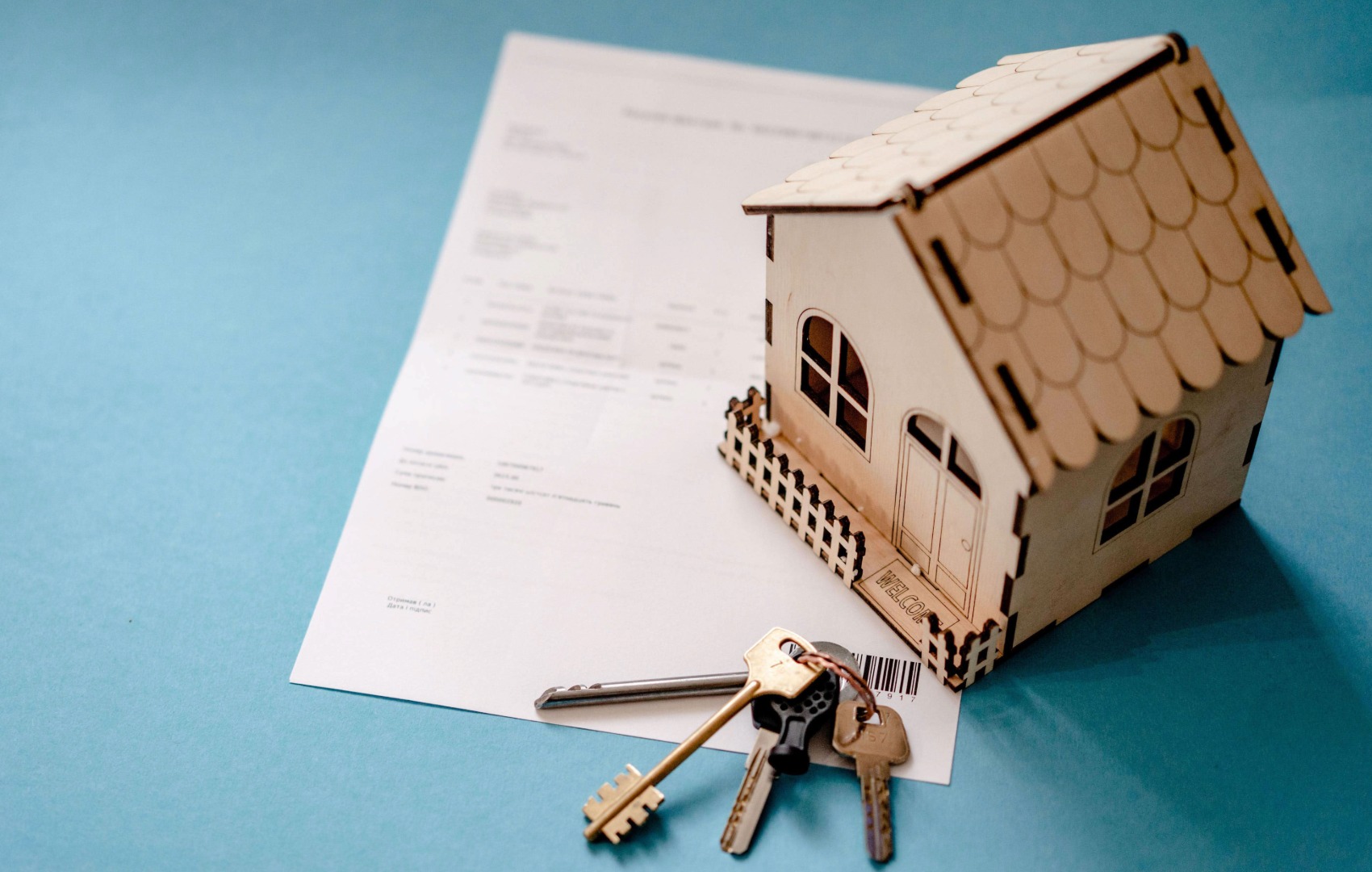
Yes. You can sell a property in Tenerife even if you still have an outstanding mortgage.
Having a mortgage doesn't mean you need to finish paying the loan before putting the property on the market. In many property transactions, the remaining mortgage is repaid using part of the money received from the buyer when the sale is completed.
However, selling a mortgaged property requires additional coordination.
The seller needs to establish exactly how much is still owed, understand any costs associated with early repayment and make sure the mortgage is dealt with correctly so that the buyer receives the property under the conditions agreed in the sale.
If you're planning to sell a mortgaged apartment, house or villa in Tenerife, here's how the process generally works.
What Happens to Your Mortgage When You Sell?
A mortgage doesn't simply disappear because ownership of the property changes.
The outstanding debt with the bank must be dealt with as part of the transaction.
In a typical sale, the seller requests an updated figure from the lender showing how much is required to repay the mortgage around the expected completion date.
When the property is sold, part of the purchase money can then be used to repay that debt.
The remaining proceeds, after accounting for the mortgage and other applicable selling costs, go to the seller.
For example, imagine you sell your Tenerife property for:
€500,000
and approximately:
€140,000
remains outstanding on the mortgage.
Part of the transaction funds can be used to repay that €140,000 balance.
This doesn't mean your selling price becomes €360,000. The sale price remains €500,000, but the mortgage repayment reduces the amount of cash you ultimately receive from the transaction.
You also need to account separately for estate agency fees, taxes and any other applicable selling expenses.
Can You Put the Property on the Market Before Paying Off the Mortgage?
Yes.
You generally don't need to repay the mortgage before advertising the property.
In fact, many sellers wouldn't want to do so because a substantial amount of capital may still be tied up in the loan.
The important thing is to identify the mortgage early and understand the outstanding balance.
This information helps you calculate whether your expected selling price will comfortably cover:
The remaining loan.
Selling expenses.
Applicable taxes.
Any other liabilities connected with the transaction.
You can then estimate what you are actually likely to retain after the sale.
Check the Nota Simple
When preparing to sell, a current Nota Simple from the Land Registry should be reviewed.
If your mortgage is registered against the property, it will normally appear as a registered charge.
This is important because the buyer's legal representative will check the property's Registry position during due diligence.
A registered mortgage isn't unusual and doesn't automatically make a property difficult to sell.
The key question is how it will be cancelled or otherwise dealt with before or as part of completion.
Paying Off the Loan and Cancelling the Mortgage Are Not Exactly the Same Thing
This distinction is particularly important.
There are effectively two issues:
The financial debt with the bank.
And:
The mortgage charge registered against the property.
Paying the bank the remaining balance extinguishes the financial debt, but the registered mortgage charge may still need to be formally cancelled at the Land Registry.
This is why a mortgage can sometimes still appear on a Nota Simple even though the underlying loan was paid off years ago.
If you're preparing to sell and discover this situation, don't assume that the old mortgage will disappear automatically.
The formal Registry position may need to be resolved.
What Is a Mortgage Cancellation Certificate?
Once the relevant debt has been repaid, documentation from the lender is normally required as part of the formal cancellation process.
The process can involve the bank, notarial documentation and registration of the cancellation with the Land Registry.
The exact procedure and costs depend on the circumstances.
If you're selling, your lawyer or representative can coordinate with the lender to establish what documentation is required and how the cancellation will be handled in connection with the transaction.
What Happens at the Notary?
The precise mechanics depend on how the transaction has been structured.
If there is still a mortgage outstanding at completion, the necessary amount can be directed towards repaying the lender as part of the sale arrangements.
The remaining balance can then be paid to the seller according to the agreed completion structure.
The objective is to ensure that the existing mortgage doesn't remain as an unresolved charge affecting the buyer's ownership.
This is one reason why mortgage information should be obtained well before the notary appointment rather than waiting until the final few days.
What Documents Will the Seller Need?
If you're selling a property with a mortgage, prepare the normal documentation required for a property sale together with information relating specifically to the loan.
This may include:
Your mortgage details.
Information identifying the lender and loan.
An updated outstanding balance.
Documentation concerning repayment or cancellation.
A current Nota Simple.
Your title deed.
Your identification and NIE.
Other standard property documentation.
Your lawyer or representative can confirm exactly what is required for your individual transaction.
Are There Fees for Paying Off a Mortgage Early?
Possibly.
Whether an early-repayment charge applies depends on factors including your mortgage agreement, when the loan was signed and the legislation applicable to it.
You shouldn't assume that every Spanish mortgage carries the same cancellation fee.
Ask your bank for an exact redemption figure and confirmation of any applicable charges before calculating your expected net proceeds.
This is more reliable than applying a generic percentage found online.
Are There Other Mortgage Cancellation Costs?
Potentially.
Even where the underlying loan can be repaid without a significant early-repayment charge, the formal cancellation of the registered mortgage can involve additional administrative steps.
Depending on the situation, there may be costs associated with notarial documentation, Land Registry procedures or professional administrative assistance.
These should be distinguished from the outstanding mortgage principal itself.
If you owe €150,000 to the bank, that €150,000 isn't technically a transaction fee.
It is repayment of money you previously borrowed.
The cancellation-related expenses are separate.
What If You Paid Off the Mortgage Years Ago?
This is worth checking before listing.
Some owners finish paying their mortgage but never complete the formal cancellation of the mortgage charge at the Land Registry.
Years later, when they decide to sell, the mortgage can still appear on the Nota Simple.
If this happens, additional documentation or formalities may be required to remove the charge.
Checking the Registry position before finding a buyer gives you more time to resolve the issue without delaying completion.
What If the Sale Price Is Higher Than the Mortgage?
This is the most straightforward situation.
Suppose:
Property sale price: €450,000
Outstanding mortgage: €100,000
The mortgage can be repaid from the transaction, leaving €350,000 before considering the seller's other costs and tax position.
The seller then needs to account for items such as:
Estate agency fees.
Applicable taxes.
Legal or administrative costs.
Mortgage cancellation expenses.
Any other outstanding obligations.
This gives a more realistic estimate of the final net proceeds.
What If the Mortgage Is Higher Than the Sale Price?
This situation requires much more careful planning.
Imagine your outstanding mortgage is €350,000 but the property can realistically be sold for only €320,000.
The sale proceeds alone wouldn't be sufficient to repay the entire debt.
You cannot simply sell the property and leave the remaining secured debt unresolved without dealing with the lender.
The seller would need to discuss the situation with the bank and obtain the necessary agreement for how the outstanding amount and mortgage security will be handled.
This should be addressed before committing to a sale.
If you're unsure whether the property's likely market value will cover your remaining mortgage, obtaining both a current valuation and an updated redemption figure is an important first step.
What If the Buyer Also Needs a Mortgage?
This is perfectly possible.
The fact that the seller has an existing mortgage doesn't prevent the buyer from financing the purchase with their own mortgage.
It simply means there are two separate financing arrangements involved:
The seller's existing mortgage needs to be dealt with.
The buyer's lender needs to approve and arrange the new mortgage.
This can require additional coordination between the parties, banks, legal representatives and notary.
For the seller, the priority remains ensuring that the existing charge is properly handled as part of completion.
Does Having a Mortgage Reduce the Value of Your Property?
Not in itself.
The market value of a property is generally determined by factors such as:
Location.
Size.
Condition.
Views.
Outdoor space.
Parking.
Property type.
Comparable market evidence.
Buyer demand.
The amount you personally owe your bank doesn't make the physical property less valuable.
Two identical apartments could both be worth €500,000 even if one owner has no mortgage and the other still owes €200,000.
The difference is in the owners' net proceeds, not necessarily the market value of the homes.
Calculate Your Net Proceeds Before Accepting an Offer
This is particularly important for mortgaged sellers.
Don't evaluate an offer based solely on the difference between your original purchase price and the proposed selling price.
Instead, estimate:
Selling price
minus
Outstanding mortgage
minus
Applicable mortgage-related costs
minus
Estate agency fees
minus
Applicable taxes
minus
Legal and administrative expenses
equals approximately:
Your net position
If you're a non-resident seller, remember that the Spanish 3% withholding mechanism can also affect the cash received at completion, although the withholding is a payment on account rather than an additional 3% selling tax.
Knowing your approximate net position before negotiation helps you determine what offers are genuinely acceptable.
Can You Sell a Mortgaged Property From Abroad?
Yes, selling from outside Tenerife may be possible.
If you live abroad, much of the process can be coordinated remotely through your estate agent and independent legal representative.
Where appropriate, a properly drafted Power of Attorney can allow an authorised person to carry out specified actions on your behalf.
Mortgage coordination can make remote transactions slightly more administratively involved, so it is sensible to begin communicating with the lender early.
This is especially important if the bank needs original documents, signatures or additional formalities.
How Can You Make the Sale Easier?
Before putting a mortgaged property on the market, establish three figures:
What is the property realistically worth?
How much do you currently owe the bank?
How much are you likely to keep after the entire transaction?
Then prepare the mortgage and property documentation.
A current Nota Simple can establish the registered position, while an updated figure from your lender helps you understand the financial side.
If the likely selling price comfortably exceeds the outstanding debt, the transaction may be relatively straightforward.
If the margin is small, accurate calculations become much more important.
Final Thoughts
Having an outstanding mortgage doesn't prevent you from selling property in Tenerife.
In many transactions, the remaining loan is simply repaid using part of the purchase funds at completion.
The important point is to distinguish between repaying the debt to the bank and formally cancelling the registered mortgage charge.
Both need to be properly addressed.
Before marketing the property, check your outstanding balance, review the Nota Simple and calculate your likely net proceeds.
That way, when a serious offer arrives, you'll already understand how the mortgage affects the transaction and what selling price makes financial sense.
Thinking of Selling a Mortgaged Property in Tenerife?
Luxury World Properties helps owners market and sell properties throughout Tenerife, including properties with existing mortgages.
Our multilingual team can help you establish your property's current market position and coordinate the selling process alongside your independent legal, tax and financial professionals.
Contact Luxury World Properties to request a property valuation and discuss the best strategy for selling your property in Tenerife.
Artículos recientes

6 de octubre de 2026 06/10/2026
¿Qué es la RIC en Canarias y cómo funciona? Guía 2026
¿Qué es la RIC en Canarias y cómo funciona? Guía …

1 de septiembre de 2026 01/09/2026
Why Isn’t My Property Selling in Tenerife?
Why Isn’t My Property Selling in Tenerife? Your p…

1 de septiembre de 2026 01/09/2026
How Long Does It Take to Sell a Property in Tenerife?
How Long Does It Take to Sell a Property in Tener…

1 de septiembre de 2026 01/09/2026
What Documents Do You Need to Sell Property in Tenerife?
What Documents Do You Need to Sell a Property in …

1 de septiembre de 2026 01/09/2026
How Much Is My Property Worth in Tenerife?
How Much Is My Property Worth in Tenerife?If you'…