How Tenerife’s Microclimates Shape Life Across the Island
 Carlos Quintero
One Island That Feels Like Several Different Places
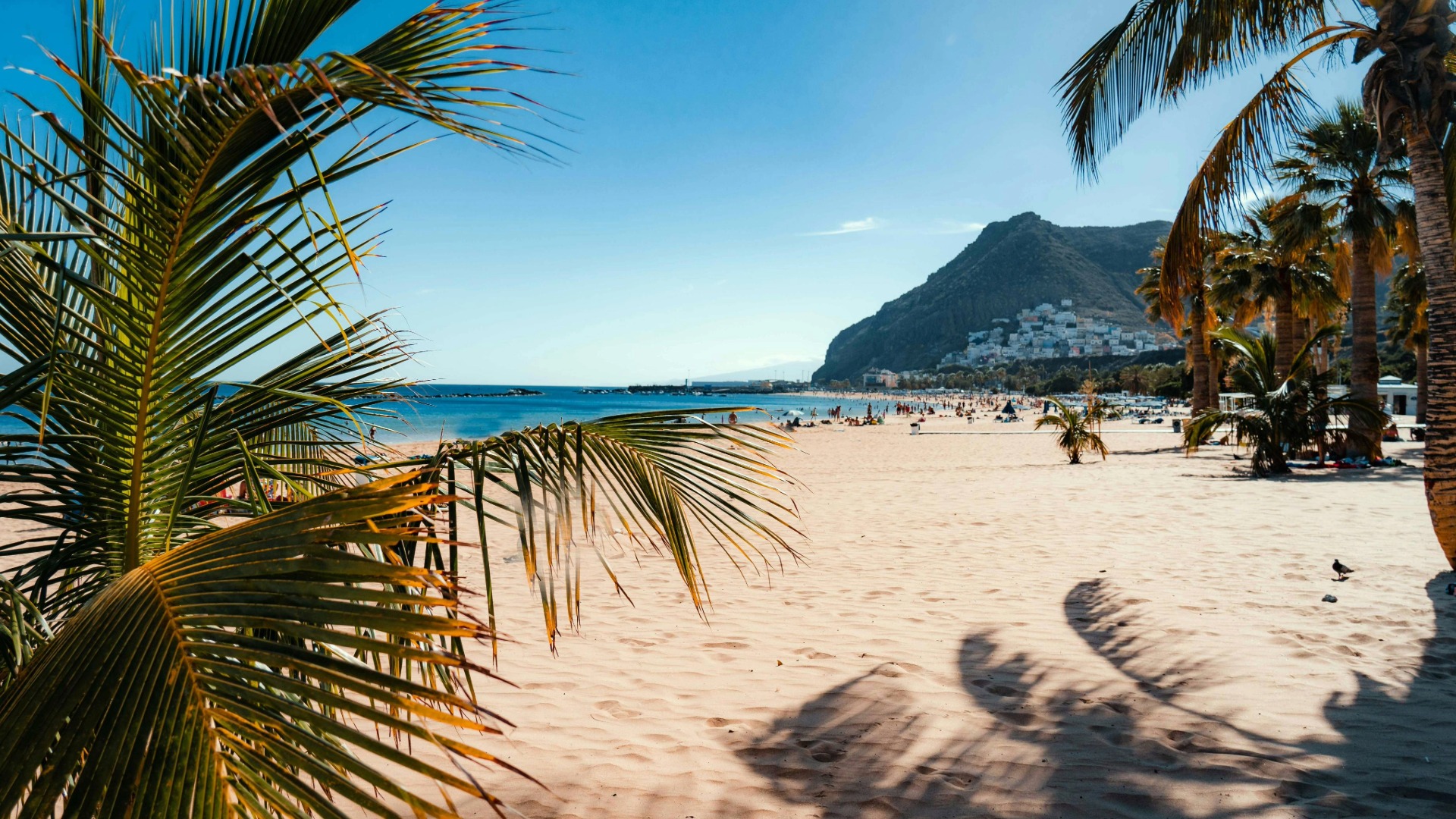
Tenerife is often described as an island of contrasts, but nowhere is that more visible than in its microclimates.
Within less than an hour of driving, the landscape can shift dramatically:
- from sunny coastal areas to misty forests
- from dry volcanic terrain to green mountain valleys
- from warm beach weather to cool high-altitude temperatures
This is one of the reasons Tenerife feels larger and more diverse than many other islands.
Unlike destinations where climate is relatively uniform, Tenerife offers multiple environments coexisting in the same territory — and this directly affects lifestyle, architecture, vegetation and even the way different areas of the island are experienced.
Why Tenerife Has So Many Microclimates
The main reason is geography.
At the centre of the island stands Mount Teide, Spain’s highest peak at 3,715 metres above sea level.
Teide acts as a natural barrier that influences:
- wind circulation
- humidity distribution
- cloud formation
- rainfall patterns
Trade winds arriving from the Atlantic interact with the mountain system, creating very different conditions between the north and south of the island.
As a result:
- the north receives more humidity and vegetation
- the south remains sunnier and drier for most of the year
This climatic division has shaped Tenerife historically, economically and socially.
The South: Sun, Stability and Outdoor Living
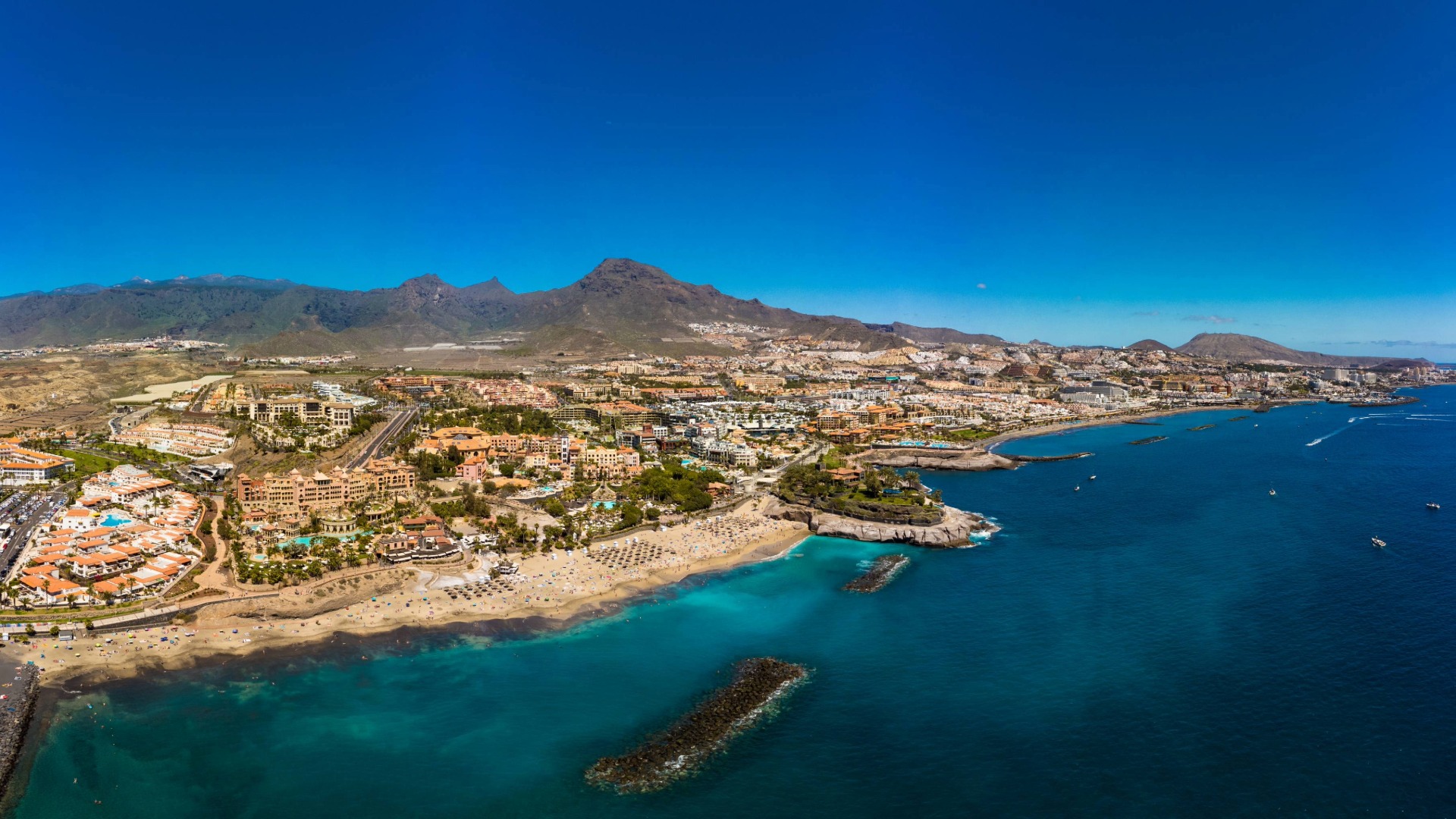
Areas such as:
- Costa Adeje
- Playa de las Américas
- Los Cristianos
are known for their:
- consistent sunshine
- lower rainfall
- milder winters
- dry climate
This has made the south the centre of:
- tourism
- international living
- beach lifestyle
- outdoor social culture
For many residents, daily life revolves around:
- terraces
- promenades
- cafés and restaurants
- beaches and outdoor sports
The climate allows people to maintain these routines throughout the year with very little seasonal interruption.
This consistency is one of the biggest reasons why so many international residents choose the south of Tenerife for long-term living.
The North: Green Landscapes and Traditional Character
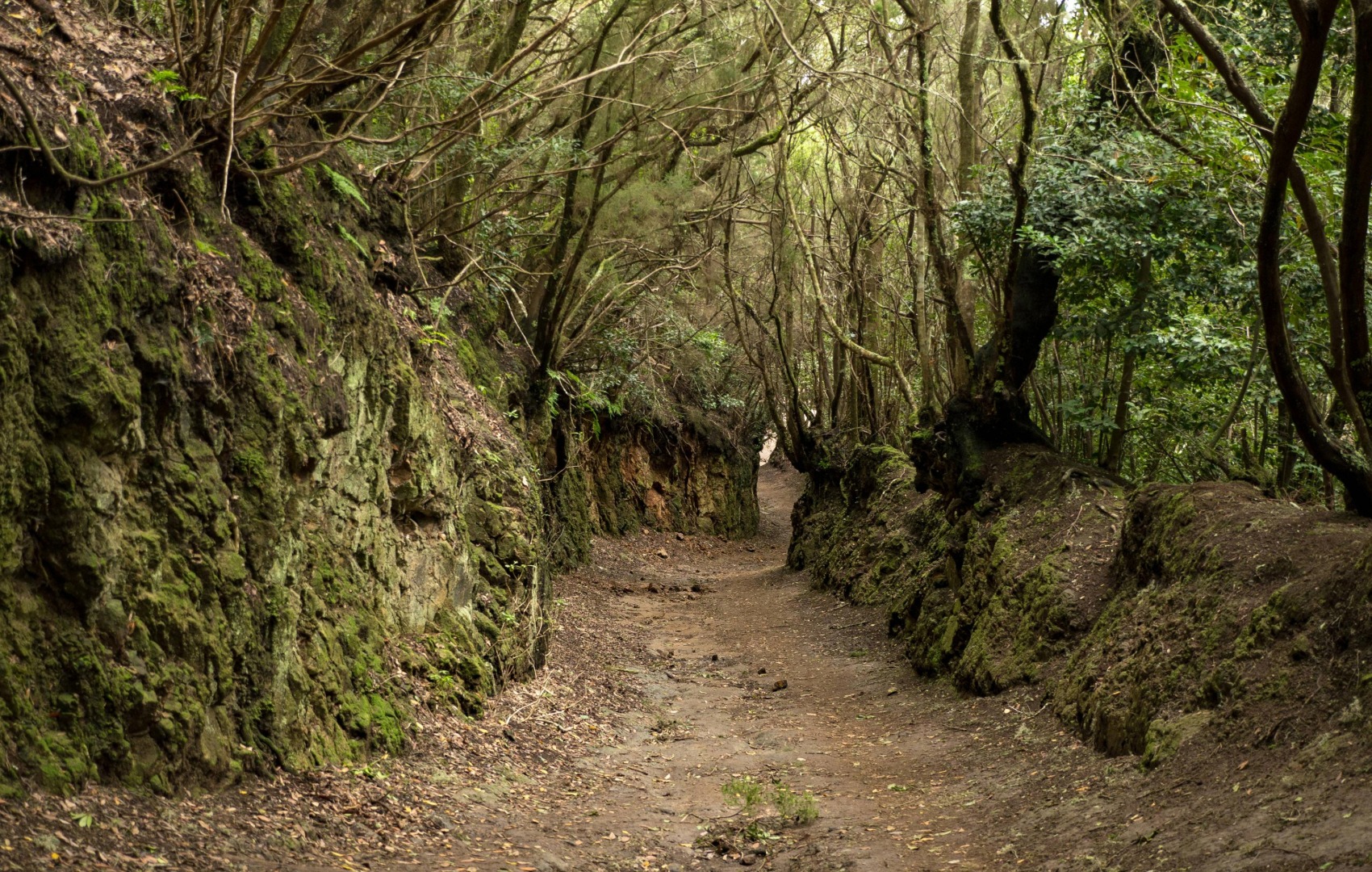
The north of Tenerife offers a completely different atmosphere.
Areas like:
- Puerto de la Cruz
- La Orotava
- Anaga Rural Park
are characterised by:
- greener vegetation
- more cloud cover
- cooler temperatures
- higher humidity
This creates landscapes that feel more tropical and natural.
The north is also often associated with:
- more traditional architecture
- local culture
- agricultural history
- slower pace of life
For many people, this side of Tenerife feels more authentic and connected to the island’s roots.
The Influence of Altitude
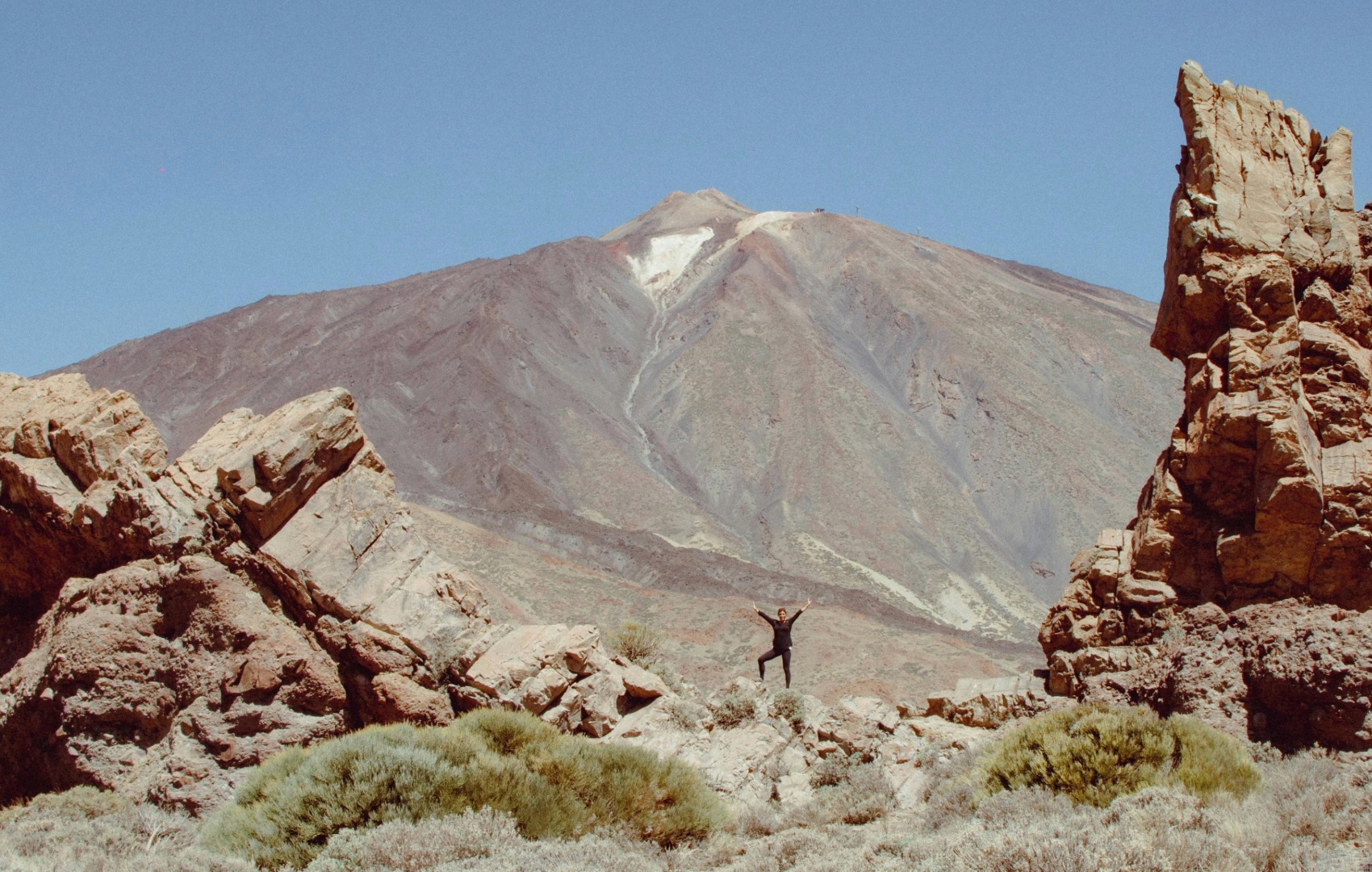
Altitude plays a major role in Tenerife’s climate diversity.
At sea level, temperatures may remain warm and stable, while higher areas experience:
- colder air
- fog
- strong wind
- even occasional frost in winter
In places surrounding Teide National Park, the landscape becomes almost lunar, with:
- volcanic rock formations
- sparse vegetation
- dramatic temperature changes between day and night
This ability to experience multiple climates within one island is unusual even on an international level.
How Microclimates Affect Daily Life
Microclimates influence far more than weather forecasts.
They affect:
- how homes are designed
- property orientation
- terrace usability
- vegetation around properties
- outdoor activities
- energy consumption
For example:
- south-facing terraces may be highly valued in cooler areas
- shaded outdoor spaces become more important in hotter zones
- wind exposure can significantly change comfort levels
These details often become important for long-term residents and property buyers.
A Lifestyle Defined by Diversity
One of Tenerife’s greatest advantages is that residents can access different environments very quickly.
In a single day, it is possible to:
- have breakfast by the coast in the south
- hike through forests in Anaga
- visit volcanic landscapes near Teide
- and finish the day in cooler mountain villages
This diversity creates a lifestyle that feels more dynamic than on many other islands.
In Summary
Tenerife’s microclimates are one of the island’s defining characteristics.
They shape:
- landscapes
- architecture
- routines
- and lifestyle choices
From the sunny south to the lush north and the volcanic centre, Tenerife offers multiple ways of experiencing island life within a single destination.
If you are considering living in Tenerife, understanding the island’s different climates can help you choose the area that best fits your lifestyle.
The team at Luxury World Properties can guide you through the island’s different regions and help you find the right location.
Don’t hesitate to get in touch to learn more.
Artículos recientes
30 de abril de 2026 30/04/2026
Guachinches in Tenerife: The Most Authentic Food Experience
Guachinches in Tenerife: The Island’s Most Authen…
30 de abril de 2026 30/04/2026
Romerías in Tenerife: Tradition, Culture and Local Life
What Is a Romería in Tenerife?A romería is one of…
30 de abril de 2026 30/04/2026
Public vs Private Healthcare in Tenerife
Public vs Private Healthcare in Tenerife: What’s …
30 de abril de 2026 30/04/2026
5 Reasons People Choose Tenerife Over Other Islands
More Than Just a DestinationTenerife is often com…
29 de abril de 2026 29/04/2026
Tenerife to Host First-Ever Papal Visit in June
A Historic First for the Canary Islands Pope Leo …