The New Construction Boom in Tenerife South: Quality, Regulation and International Demand
 Carlos Quintero
Tenerife South’s property landscape has entered a clearly defined new phase, one shaped not by speculative expansion, but by structured development, rising construction standards, and sustained international demand. What may appear at first glance as a construction surge is in reality the evolution of a mature market adapting to new expectations and higher quality benchmarks.
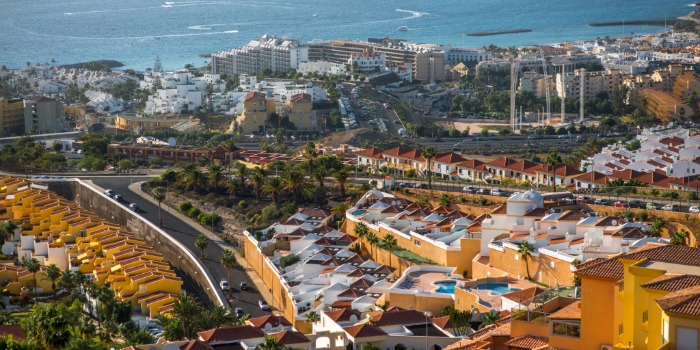 Since the mid-2000s, Tenerife South has transformed from a primarily holiday-driven construction area into a diversified residential market with strong lifestyle and luxury positioning. Recent market data shows that new-build properties in prime southern areas frequently exceed €4,000 per square metre, while premium zones such as Costa Adeje and Abama can surpass €6,000 per square metre.
This price positioning reflects demand rather than speculation. Unlike mainland Spain during the pre-2008 cycle, Tenerife South operates within strict land and planning limitations. Coastal land is finite. Environmental regulations are rigid. Urban plans are controlled and phased. Supply growth is therefore structurally constrained.
Buyer expectations in 2026 differ significantly from those of two decades ago. New construction now typically includes expansive terraces designed for year-round outdoor living, open-plan layouts that maximize natural light, high-quality finishes, integrated climate systems, underground parking, and landscaped communal areas.
What was once considered premium is now standard. The market has shifted upward in quality, aligning more closely with Northern European residential expectations.
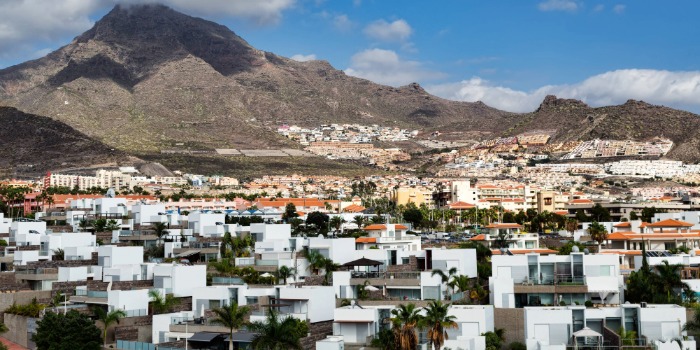
One of the most important structural changes in Spain’s residential sector has been the tightening of energy performance regulations. Modern developments are required to meet higher insulation, glazing, and efficiency standards under updated building codes aligned with EU directives. Most new developments in Tenerife South now achieve A or B energy ratings. This results in lower long-term operating costs and improved asset resilience. For international buyers, particularly from Germany, Belgium, and Scandinavia, this factor plays an increasingly decisive role in purchase decisions.
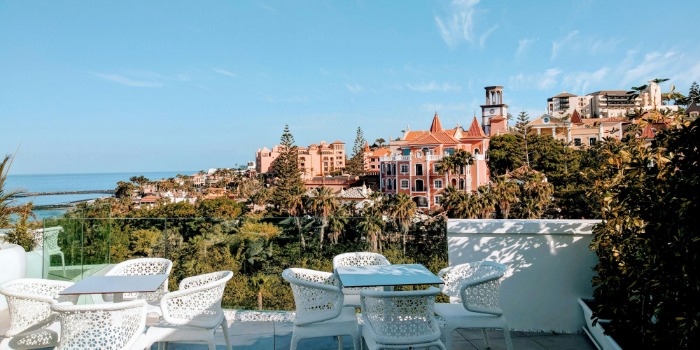 The post-2020 buyer profile has influenced development strategy. Remote work flexibility, longer stays, and full-time relocation have reshaped space requirements. New layouts prioritize adaptable interiors, privacy, and generous outdoor areas rather than maximum unit density.
Communal amenities such as pools, landscaped gardens, and secure access are conceived as long-term lifestyle enhancements rather than short-term holiday features.
Tenerife South continues to rank among the Spanish regions with one of the highest proportions of foreign buyers. This diversified international demand base — spanning Germany, Italy, Belgium, the UK, Scandinavia and Central Europe — provides structural support to the market.
Many acquisitions are low-leverage or cash purchases. Buyers are securing lifestyle assets in a politically stable, climate-advantaged region with strong tourism fundamentals and long-term appeal.
Visible construction activity can create the perception of oversupply. However, when measured against land constraints, regulatory controls, absorption rates, and rising construction costs, the market demonstrates structured growth rather than uncontrolled expansion.
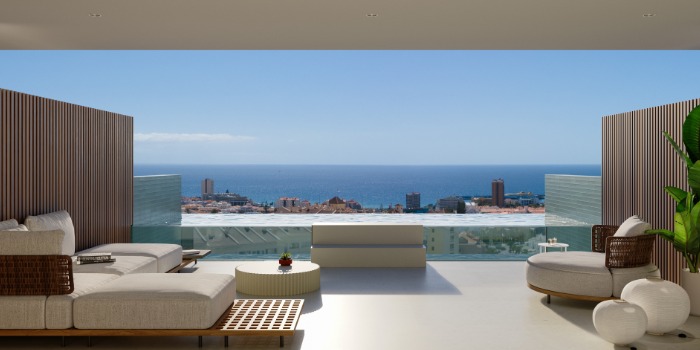 In summary, the current construction cycle in Tenerife South represents refinement. It reflects a maturing market that has absorbed past lessons and repositioned itself toward quality, sustainability, and long-term residential appeal.
It is elevating its standards, strengthening its premium positioning, and aligning with international expectations.
What we are witnessing is not a speculative wave, but the consolidation of Tenerife South as a high-quality residential destination within the European market.
Current new-build projects available in Tenerife South can be explored in our Developments section at www.luxurywp.com/development/
Artículos recientes
13 de octubre de 2025 13/10/2025
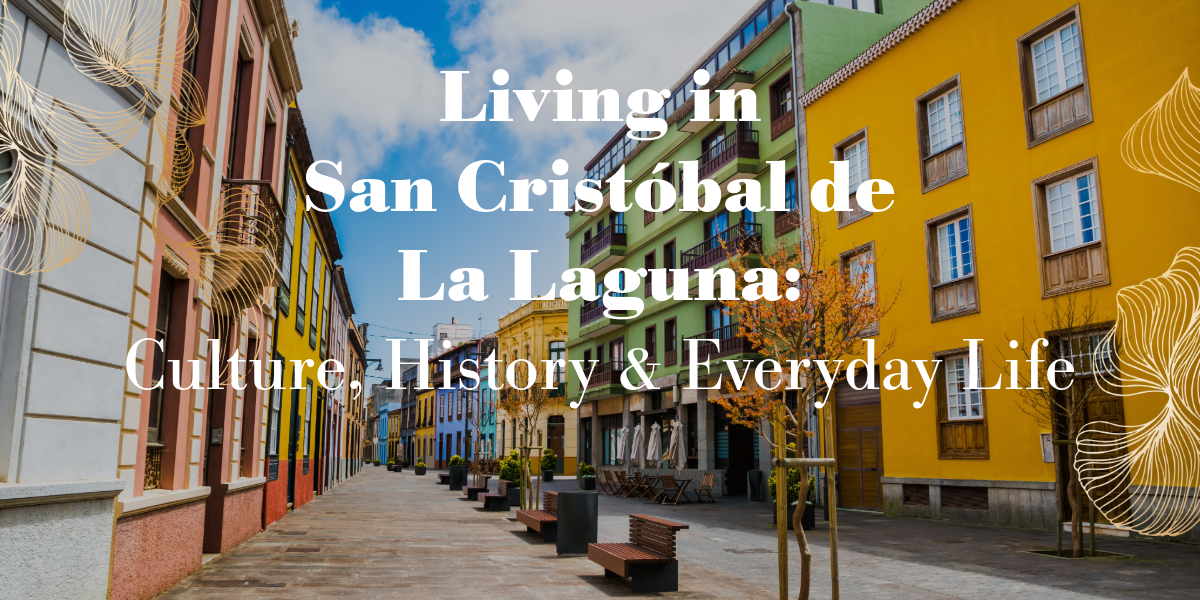
Living in San Cristóbal de La Laguna: Culture, History & Everyday Life
San Cristóbal de La Laguna (often simply “La Lagu…
13 de octubre de 2025 13/10/2025
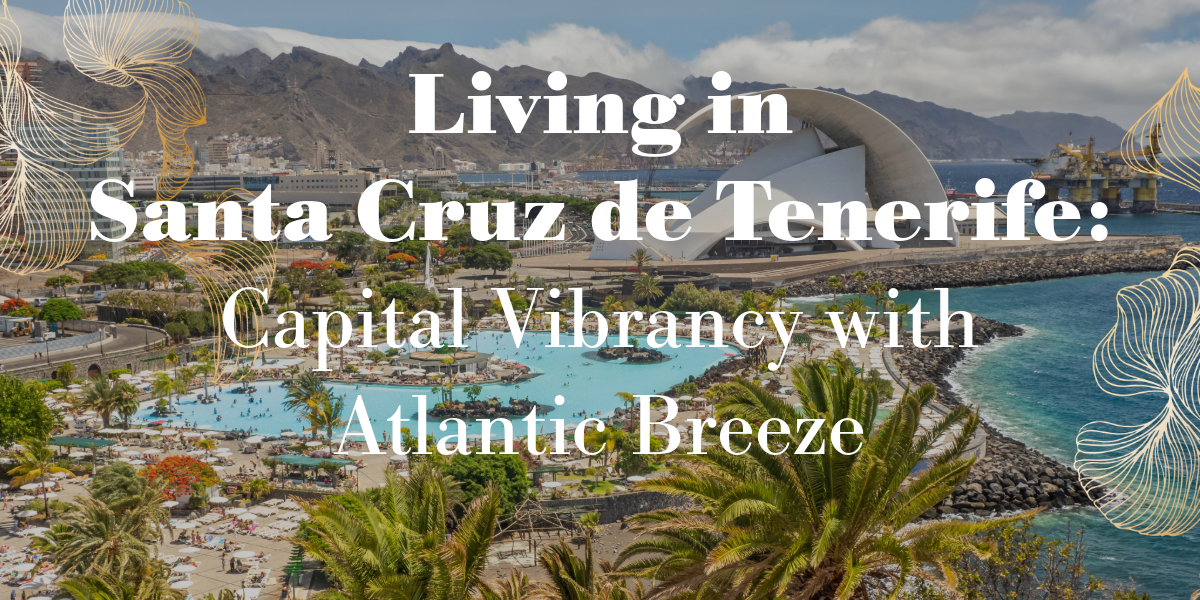
Living in Santa Cruz de Tenerife: Capital Vibrancy with Atlantic Breeze
Santa Cruz de Tenerife is the vibrant capital of …
13 de octubre de 2025 13/10/2025
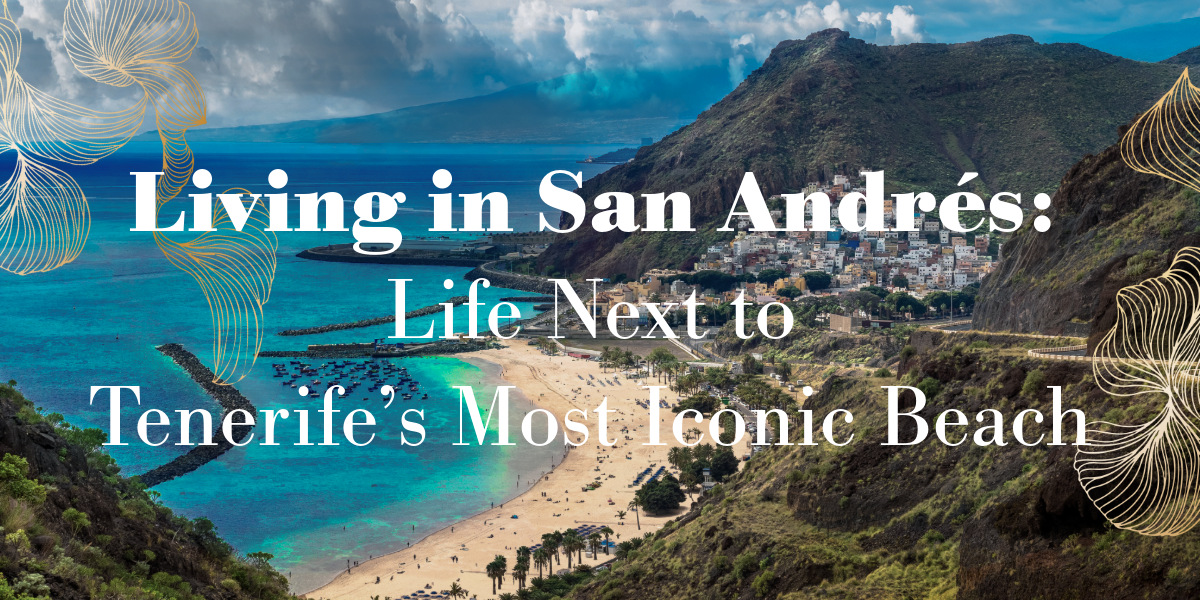
Living in San Andrés: Beachside Tradition at the Edge of Santa Cruz
San Andrés is a traditional coastal village tucke…
26 de septiembre de 2025 26/09/2025
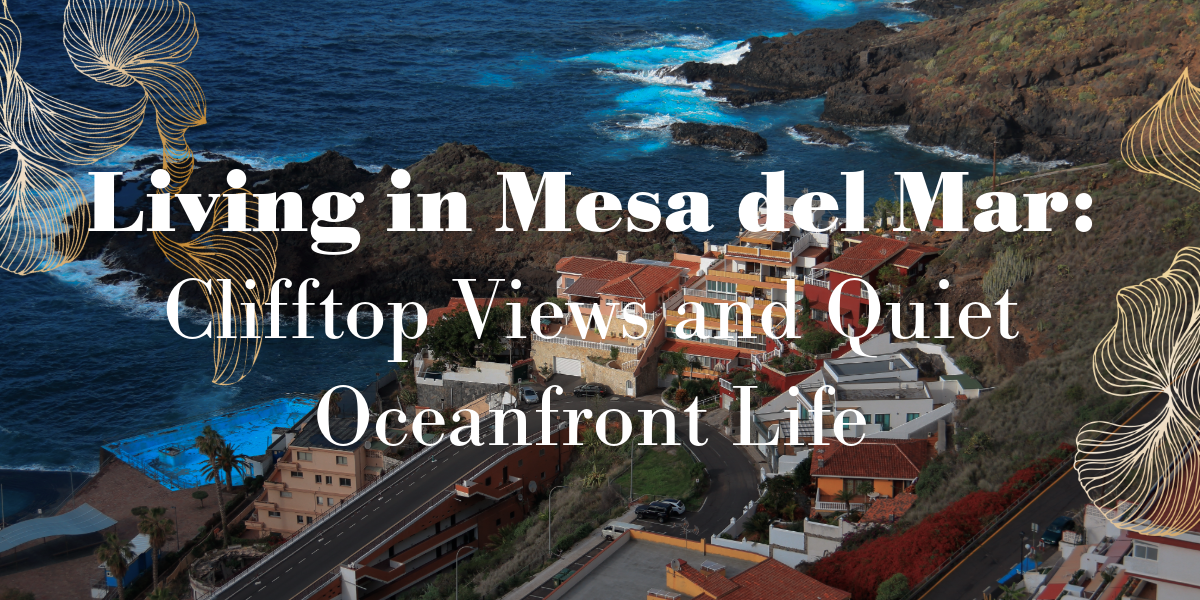
Living in Mesa del Mar: Clifftop Views and Quiet Oceanfront Life
Mesa del Mar is a small, secluded coastal village…
26 de septiembre de 2025 26/09/2025
Living in Puerto de la Cruz: Tradition, Culture, and Coastal Comfort
Puerto de la Cruz is the beating heart of norther…