Moving to Tenerife from Germany: Complete Guide
 Carlos Quintero
Moving to Tenerife from Germany: Property, Residency and Living Costs
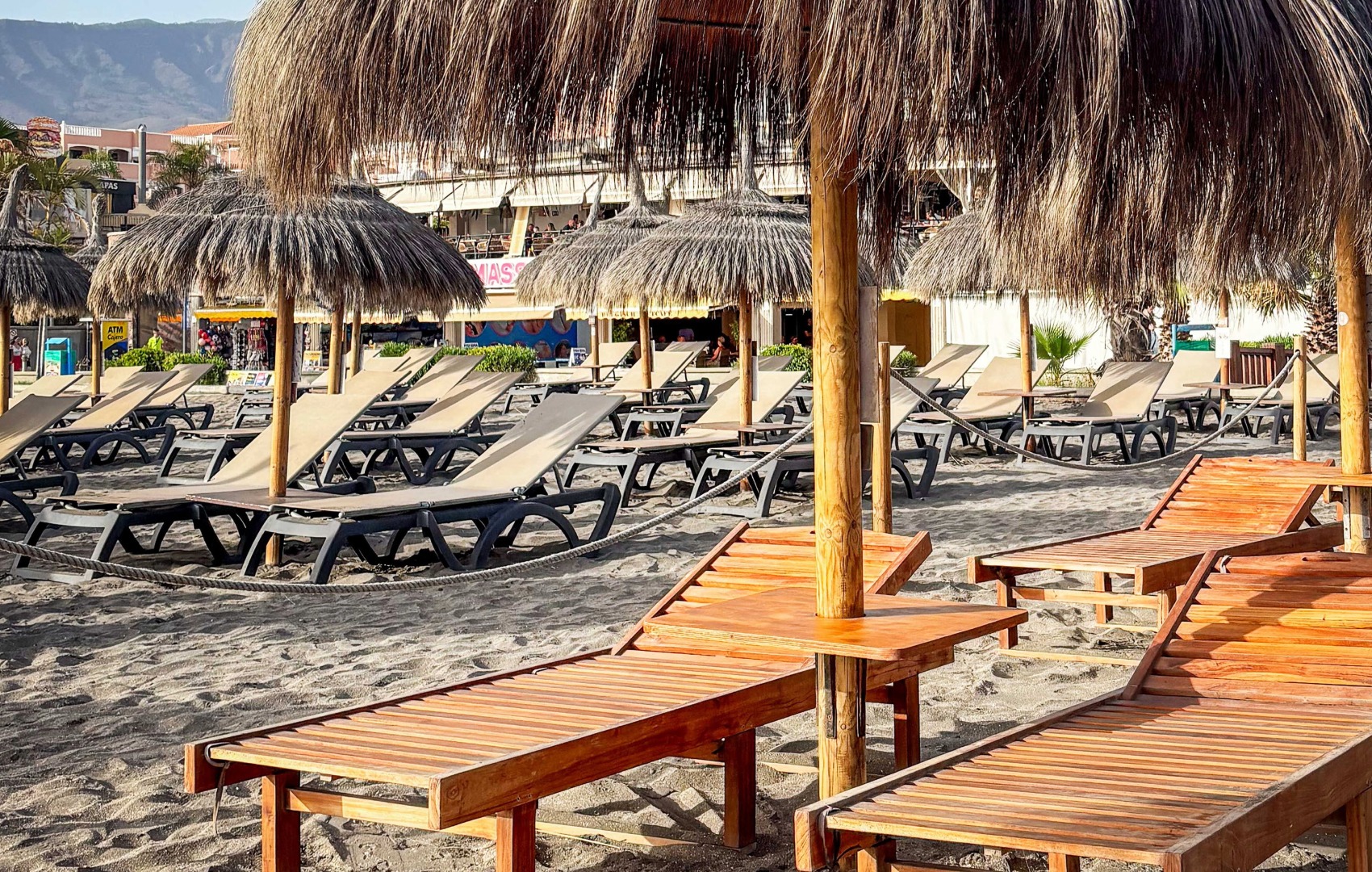
Moving from Germany to Tenerife is an attractive prospect for people seeking a warmer climate, a more relaxed lifestyle and the opportunity to live near the Atlantic Ocean.
For many Germans, Tenerife is already a familiar holiday destination. But spending two weeks on the island is very different from buying a property, establishing residency and organising everyday life in Spain.
Whether you are planning to retire in Tenerife, relocate with your family, work remotely or purchase a second home for extended winter stays, understanding the practical and financial implications is essential.
The good news is that German citizens benefit from European Union free-movement rights, making relocation to Spain relatively straightforward compared with the process for many non-EU nationals.
However, there are still important procedures to complete, including Spanish residency registration, healthcare arrangements, tax planning and property-related documentation.
In this guide, we explain how to move to Tenerife from Germany in 2026, including the best residential areas, property purchasing process, living expenses and important considerations for German citizens.
Why Are Germans Moving to Tenerife?
Tenerife offers a combination of lifestyle advantages that appeal to German residents considering a move abroad.
The island's climate is one of its most obvious attractions.
South Tenerife generally enjoys mild temperatures throughout the year, allowing residents to spend more time outdoors during the winter months.
For people accustomed to colder German winters, the opportunity to enjoy coastal walks, outdoor dining and sunny terraces in January can be particularly appealing.
Tenerife also offers an established international community.
German residents and visitors have been part of the island's international population for many years, and German-speaking services can be found in different parts of Tenerife.
Another advantage is connectivity.
Tenerife South Airport has flight connections with several German cities, although routes and frequencies vary by season and airline.
For buyers who want to maintain personal or professional connections with Germany, this accessibility can make relocation more practical.
However, lifestyle should not be the only consideration.
Before moving, it is important to understand the cost of housing, tax obligations, healthcare coverage and the administrative requirements associated with establishing residence in Spain.
Can German Citizens Move to Tenerife Without a Visa?
Yes. As citizens of the European Union, German nationals can move to Spain without obtaining a visa.
EU free-movement rules allow German citizens to enter Spain with a valid passport or national identity card.
For stays of up to three months, the administrative requirements are generally limited.
However, if you intend to reside in Tenerife for more than three months, you must normally register with the Spanish authorities.
Your right of residence beyond three months depends on meeting the applicable EU residence conditions.
For example, you may qualify through employment, self-employment, studies or sufficient financial resources combined with appropriate healthcare coverage.
These rules apply differently depending on your personal circumstances.
It is therefore advisable to organise the necessary documentation before leaving Germany.
How to Register as a German Resident in Tenerife
German citizens planning to live permanently or for an extended period in Tenerife will generally need to complete several administrative procedures.
Obtain Your NIE
The Número de Identidad de Extranjero, commonly known as the NIE, is a personal identification number assigned to foreigners who have economic, professional or social interests in Spain.
You will normally need an NIE to purchase property, complete certain tax procedures and carry out other administrative transactions.
It is important to understand that an NIE is not the same as a residence certificate.
Having an NIE does not, by itself, establish that you are registered as a resident in Spain.
Register as an EU Resident
German citizens who intend to reside in Spain for more than three months are generally required to register in the Central Register of Foreign Nationals.
Following successful registration, they receive a certificate confirming their registration as an EU citizen in Spain.
This certificate includes their NIE.
The supporting documentation depends on whether the applicant is employed, self-employed, studying or economically inactive.
Register with the Local Municipality
Residents normally register their address with the relevant town hall through the padrón municipal.
This is known as empadronamiento.
The registration records your habitual address within the municipality.
It may be required for access to certain administrative procedures and local services.
Review Your German Registration Obligations
If you leave your German residence and do not maintain another registered residence in Germany, you may need to complete an Abmeldung with the relevant German registration authority.
The applicable obligations depend on your housing and residence circumstances.
You should also notify relevant German institutions, insurers and financial providers of your change of address where required.
Best Places to Live in Tenerife for German Expats
Choosing the right area is one of the most important parts of relocating.
South Tenerife offers several established residential destinations with different lifestyles, property types and levels of access to amenities.
Costa Adeje: Premium Coastal Living
Costa Adeje is one of the most desirable residential areas in South Tenerife.
It offers attractive beaches, restaurants, shopping facilities, international services and a broad selection of properties.
German buyers looking for modern apartments, penthouses or detached villas may find Costa Adeje particularly appealing.
Neighbourhoods such as Playa del Duque, Fañabé and Torviscas offer different residential environments.
Some properties are within walking distance of the coastline, while others occupy elevated locations with panoramic sea views.
Costa Adeje is especially suitable for buyers who prioritise comfort, amenities and a premium coastal lifestyle.
Los Cristianos: Convenient Everyday Living
Los Cristianos is a popular destination for international residents.
Its supermarkets, pharmacies, restaurants, beaches and pedestrian areas make everyday life relatively convenient.
For German retirees or buyers who prefer not to depend heavily on a car, central Los Cristianos can be an attractive option.
The town offers a variety of apartments in established residential complexes.
However, buyers should consider accessibility, building condition and proximity to essential services.
Some streets and residential developments are considerably more walkable than others.
Palm-Mar: A Quieter Residential Environment
Palm-Mar is a coastal neighbourhood in the municipality of Arona.
It appeals to buyers who prefer a peaceful residential atmosphere away from the busiest tourism centres.
The area includes apartments, terraces, communal swimming pools and local restaurants.
For German buyers seeking a second home or permanent residence in a quieter setting, Palm-Mar may be worth considering.
However, a car can be useful for accessing larger shopping areas and services elsewhere in South Tenerife.
La Caleta: Exclusive Properties and Ocean Views
La Caleta is known for its coastal setting, waterfront restaurants and proximity to some of Tenerife's most prestigious residential neighbourhoods.
It attracts buyers looking for luxury apartments and villas in a more exclusive environment.
For German purchasers seeking privacy, modern architecture and attractive outdoor spaces, La Caleta and its surroundings offer interesting options.
However, purchase prices in desirable locations may be relatively high.
Adeje and El Galeón: Residential Life Beyond the Tourist Areas
For Germans planning to live in Tenerife throughout the year, residential neighbourhoods away from the main coastal resorts can also be attractive.
Adeje town and El Galeón offer supermarkets, shops, sports facilities and other everyday amenities.
Properties may include apartments, townhouses and larger family homes.
These areas can be particularly suitable for buyers who prefer a residential environment rather than a predominantly holiday-oriented setting.
Buying Property in Tenerife as a German Citizen
German citizens can generally purchase property in Tenerife without becoming Spanish residents.
There is no general requirement to hold Spanish residency before buying a residential home.
This means you can purchase an apartment, townhouse or villa while continuing to live in Germany.
However, the buying process differs from a typical German property transaction.
In Spain, buyers commonly sign preliminary agreements before completing the purchase through a public deed before a notary.
It is therefore important to understand the legal and financial implications of each stage.
Step 1: Establish Your Budget
Determine your purchase budget, including taxes, legal fees and any necessary improvements.
If you intend to obtain a mortgage, request an initial financing assessment.
Step 2: Choose Your Preferred Location
Compare areas according to lifestyle, property prices, access to services and transport requirements.
A neighbourhood that is ideal for holidays may not necessarily suit permanent living.
Step 3: View Suitable Properties
Evaluate each property's layout, condition, orientation, outdoor space and communal facilities.
If you are relocating permanently, consider practical details such as internet connectivity, parking and access to healthcare.
Step 4: Arrange Independent Legal Checks
An independent lawyer should review the property's legal documentation before you make a binding commitment.
This may include ownership, registered charges, planning status, community debts and other relevant matters.
Step 5: Sign the Purchase Agreements
Depending on the transaction, you may sign a reservation agreement or a private purchase contract.
These documents should be reviewed carefully, particularly regarding deposits, deadlines and withdrawal conditions.
Step 6: Complete the Purchase
The transaction is normally formalised through a public deed signed before a Spanish notary.
Following completion, the relevant taxes are settled and ownership is registered with the Land Registry.
Property Taxes When Buying in Tenerife
One important difference between buying in Germany and Tenerife is the tax structure.
The Canary Islands have their own indirect tax system.
For resale residential properties, the general Property Transfer Tax (ITP) rate is 6.5%, subject to applicable rules and any relevant reduced rates.
For example, a resale property with a taxable base of €350,000 would generally attract €22,750 in ITP at that rate.
However, the taxable base may be affected by the property's official reference value where applicable.
New-build properties are generally subject to IGIC rather than mainland Spanish VAT.
The general IGIC rate commonly applicable to new residential property is 7%, although the correct treatment should be verified for the particular transaction.
Stamp Duty may also apply.
Buyers should additionally budget for notary fees, Land Registry expenses and legal representation.
As a broad planning allowance, total acquisition taxes and associated costs may amount to approximately 8% to 12% above the purchase price, depending on the transaction.
A detailed estimate should always be obtained before purchasing.
Can Germans Get a Mortgage in Tenerife?
Yes. Spanish banks may provide mortgage financing to German citizens purchasing property in Tenerife.
Both Spanish residents and non-resident buyers may be eligible, although lending conditions differ.
Banks typically evaluate income, existing financial obligations, employment stability and the property's valuation.
German applicants may need to provide documents such as employment contracts, payslips, tax returns and bank statements.
Self-employed buyers may be asked for additional financial information.
Non-resident applicants may face lower maximum loan-to-value ratios than residents.
However, the exact financing conditions depend on the lender and the applicant's circumstances.
German buyers should also compare mortgage costs, interest-rate structures and early repayment conditions.
Obtaining a financing assessment before signing a binding purchase agreement can help avoid unnecessary risk.
Healthcare in Tenerife for German Citizens
Healthcare is one of the most important considerations when relocating from Germany to Spain.
Germany and Spain both participate in the European system for coordinating social security rights, but this does not mean that German health insurance automatically provides unrestricted coverage after moving.
Your entitlement depends on whether you are employed, self-employed, retired or economically inactive.
Healthcare for German Pensioners
German retirees receiving a qualifying pension may be entitled to healthcare in Spain through the European S1 system.
If Germany remains responsible for your healthcare coverage, you can request an S1 form from the appropriate German health insurance institution.
The document can then be registered with the Spanish authorities, allowing access to the Spanish public healthcare system under the applicable conditions.
However, the arrangement depends on your individual pension and insurance situation.
The European Health Insurance Card, known in Germany as the Europäische Krankenversicherungskarte, is intended primarily for medically necessary care during temporary stays. It should not be treated as a substitute for organising healthcare coverage when permanently relocating.
Private Healthcare in Tenerife
Private healthcare is another option for German residents.
Tenerife has private hospitals, clinics and specialist medical services.
Some providers offer assistance in German or English, although language availability should be confirmed directly.
Private insurance premiums depend on age, medical history, coverage and other factors.
Before relocating, compare the policy's exclusions, waiting periods and geographic coverage.
For retirees or people with ongoing medical needs, healthcare arrangements should be confirmed before leaving Germany.
German Pensions: Can You Receive Your Retirement Income in Tenerife?
Yes. German citizens can generally continue receiving eligible German pension payments while living in Spain.
However, moving abroad may affect administrative procedures, healthcare coverage and taxation.
Before relocating, contact Deutsche Rentenversicherung and any other pension providers to confirm the requirements applicable to your circumstances.
You may need to update your address, banking information and other personal details.
It is also important to distinguish between different pension types.
German statutory pensions, occupational pensions, private retirement arrangements and public-service pensions may be subject to different tax rules.
Are German Pensions Taxed in Spain?
The taxation of German pensions depends on the Spain–Germany double taxation agreement and the type of pension received.
If you become a Spanish tax resident, Spain generally taxes worldwide income, subject to treaty provisions.
Under the Germany–Spain treaty, certain German social security pension payments may also be taxable in Germany, subject to specific conditions and limits.
Public-service pensions can follow different rules from ordinary private pensions.
Consequently, it would be incorrect to assume that every German pension becomes taxable exclusively in Spain after relocation.
Professional advice from a tax specialist familiar with both countries is recommended before establishing Spanish tax residence.
Tax Residency: What Happens When You Move from Germany to Tenerife?
Moving to Tenerife can change your tax obligations in both Spain and Germany.
Under Spanish domestic law, spending more than 183 days in Spain during a calendar year is one of the principal criteria for determining tax residency.
However, this is not the only consideration.
The location of your main economic interests and other circumstances may also be relevant.
German tax residency depends on German domestic rules, including whether you maintain a residence or habitual abode in Germany.
It is therefore possible for questions of tax residence to arise in both countries.
Where applicable, the double taxation agreement provides rules for resolving dual-residence situations and allocating taxing rights.
German citizens relocating permanently should review their pensions, employment income, investments and other assets before moving.
The appropriate tax treatment depends on the individual circumstances, and moving abroad does not automatically eliminate all German tax obligations.
Cost of Living in Tenerife Compared with Germany
One of the most common questions among German buyers is whether living in Tenerife is cheaper than living in Germany.
The answer depends on the location, housing arrangements and lifestyle.
Certain everyday expenses may be lower, while others can be comparable or higher.
For example, owning a property without a mortgage may significantly reduce monthly housing expenses.
However, purchasing in desirable areas such as Costa Adeje or La Caleta can require a substantial initial investment.
Imported goods, vehicle ownership and certain specialist services can also influence the household budget.
Rather than relying on general cost-of-living comparisons, prospective residents should calculate their expected expenses based on their individual circumstances.
Housing Expenses
Homeowners should budget for IBI property tax, community fees, insurance, utilities and maintenance.
Apartment owners may contribute to communal facilities such as swimming pools, gardens and lifts.
Detached villas can involve additional expenses for pool maintenance, landscaping and repairs.
Groceries and Everyday Shopping
Tenerife offers a range of supermarkets, local markets and shopping centres.
The cost of groceries depends on purchasing habits and the proportion of imported products.
Buyers accustomed to particular German brands may find that some products are more expensive or less widely available.
Transport
Public transport connects many parts of Tenerife, but convenience varies by location.
In central Los Cristianos or certain parts of Costa Adeje, residents may be able to manage many daily activities on foot.
In Palm-Mar, elevated residential areas or inland neighbourhoods, a car may be more practical.
Vehicle insurance, fuel, maintenance and parking should therefore be included in the monthly budget.
Restaurants and Leisure
Tenerife offers restaurants, cafés, golf courses, beaches and outdoor activities.
Spending will depend heavily on personal preferences.
Residents who frequently dine out or participate in premium leisure activities should account for these expenses when planning their relocation.
Working Remotely from Tenerife for a German Company
Some German citizens move to Tenerife while continuing to work for an employer or business based in Germany.
Although remote work can make relocation attractive, it raises important legal and tax questions.
Working physically from Spain may affect income taxation, social security contributions and the employer's obligations.
The fact that a salary is paid into a German bank account does not automatically mean that the employment remains taxable exclusively in Germany.
The applicable arrangements depend on factors such as the duration of work in Spain, the employer's structure and the relevant tax and social security rules.
Self-employed professionals should also examine whether they need to register their activity in Spain.
Before relocating, discuss the proposed arrangement with your employer and obtain specialist advice where necessary.
Can You Keep Your German Bank Account After Moving?
German citizens can generally continue using eligible German bank accounts after relocating to Spain, subject to their bank's terms and compliance requirements.
However, maintaining a Spanish bank account may be convenient for certain local payments.
Property owners commonly need to arrange payments for utilities, community fees, insurance and local taxes.
Before moving, check whether your existing bank supports non-resident customers and whether your change of address affects the services available.
You should also review any tax reporting obligations associated with bank accounts or financial assets held abroad.
Buying a Second Home vs Moving Permanently from Germany
Not every German buyer intends to relocate permanently.
Some prefer to maintain their main residence in Germany and spend several months each year in Tenerife.
This arrangement offers flexibility and allows owners to enjoy the island without immediately changing their primary residence.
However, the distinction between a second home and a permanent residence has important implications.
Second-home owners may remain German tax residents, depending on their circumstances.
They may also have Spanish non-resident tax obligations relating to their property.
For example, non-resident owners of urban property used personally or left unoccupied may be subject to Spanish imputed income tax.
Permanent residents, by contrast, must consider Spanish tax residency and their broader administrative obligations.
The right option depends on how much time you intend to spend in Tenerife and whether you plan to maintain your home and professional connections in Germany.
Common Mistakes Germans Make When Moving to Tenerife
Relocating internationally requires careful preparation.
One common mistake is assuming that EU citizenship eliminates all administrative requirements.
Although German citizens do not need a visa to move to Spain, registration and healthcare conditions still apply.
Another mistake is purchasing a property based exclusively on holiday experiences.
A neighbourhood that feels ideal during a short winter visit may have different characteristics when experienced throughout the year.
Tax planning is another important consideration.
German residents should not assume that their pensions, investments or employment income will automatically be taxed in the same way after relocation.
It is also important to account for property purchase taxes, community fees and maintenance costs.
Finally, buyers should avoid purchasing without independent legal due diligence.
A property should be evaluated not only for its appearance and location but also for its legal documentation, physical condition and suitability for permanent residence.
Final Thoughts: Starting a New Life in Tenerife
Moving from Germany to Tenerife can offer the opportunity to enjoy a different pace of life, mild weather and beautiful coastal surroundings.
Whether you are planning retirement, purchasing a second home or relocating permanently, the island provides a wide selection of residential options.
However, careful preparation is essential.
Understanding Spanish residency requirements, healthcare arrangements, property taxes and the Germany–Spain tax treaty can help prevent unexpected complications.
It is equally important to choose a location that suits your everyday lifestyle rather than focusing exclusively on holiday attractions.
With realistic financial planning, independent professional advice and local property market knowledge, you can approach your relocation with greater confidence.
Find Your New Home in Tenerife with Luxury World Properties
Are you considering moving from Germany to Tenerife or purchasing a second home on the island?
At Luxury World Properties, we help international buyers discover apartments, penthouses, townhouses and villas across South Tenerife.
With more than 25 years of experience in the local real estate market, our multilingual team provides personalised assistance and valuable local knowledge throughout the property search.
Whether you are looking for an apartment near the beach in Los Cristianos, a modern home in Costa Adeje or a peaceful residential property in Palm-Mar, we can help you explore options that match your lifestyle and budget.
Contact Luxury World Properties today and take the first step towards finding your new home in Tenerife.
Artículos recientes

28 de octubre de 2026 28/10/2026
Best Places to Retire in Tenerife
Best Places to Retire in Tenerife: Where to Buy Y…

28 de octubre de 2026 28/10/2026
Buying a Second Home in Tenerife as a Foreigner
Buying a Second Home in Tenerife: Complete Guide …
13 de octubre de 2026 13/10/2026
Hidden Costs of Buying Property in Tenerife
Hidden Costs of Buying Property in TenerifeBuying…
13 de octubre de 2026 13/10/2026
Buying Commercial Property in Tenerife: Complete Guide
Buying Commercial Property in Tenerife: Costs, Re…

13 de octubre de 2026 13/10/2026
How to Choose an Estate Agent in Tenerife
How to Choose an Estate Agent to Sell Your Proper…