The History of Tourism in Tenerife
 Carlos Quintero
How a Volcanic Island Became One of Europe's Leading Destinations
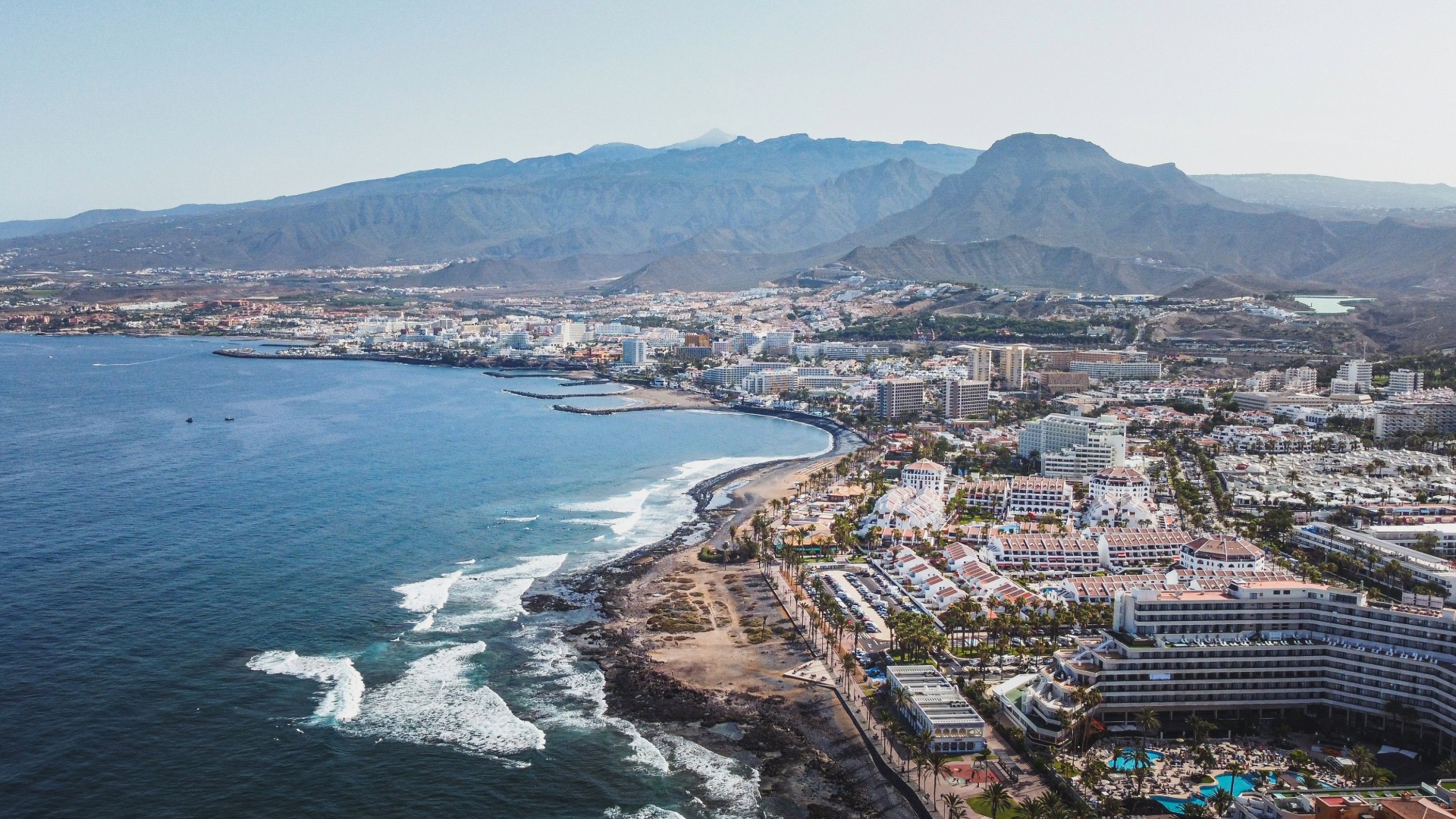
Today, Tenerife welcomes millions of visitors every year.
The island is recognised internationally for its climate, beaches, outdoor lifestyle and increasingly sophisticated hospitality sector.
Yet tourism in Tenerife did not emerge overnight.
The island's transformation from a relatively isolated Atlantic territory into one of Europe's most successful tourism destinations is the result of more than a century of gradual development, infrastructure investment and changing travel trends.
Understanding this evolution helps explain not only Tenerife's success as a holiday destination but also its growing popularity as a place to live, invest and own property.
The First Visitors
Long before mass tourism arrived, Tenerife was already attracting international travellers.
During the 19th century, the island became known among British visitors seeking warmer climates during the winter months.
At a time when travel was still reserved for a privileged minority, Tenerife offered something unusual:
- mild temperatures
- fresh air
- and dramatic landscapes
Many early visitors travelled to Puerto de la Cruz, which became the island's first significant tourism centre.
The town developed a reputation as a health destination, particularly among travellers escaping colder northern European climates.
The Influence of British Tourism
British visitors played an important role in shaping Tenerife's early tourism industry.
Many of the island's first hotels, gardens and leisure facilities were developed with international visitors in mind.
The British also introduced several activities that remain important today, including:
- organised tourism
- botanical collections
- and recreational sports
The island's international appeal began to grow steadily throughout the late 19th and early 20th centuries.
Tourism Before the Jet Age
For much of the early 20th century, tourism remained relatively limited.
Travel to Tenerife required significant time and effort, often involving lengthy sea voyages.
As a result, visitor numbers remained modest compared to modern standards.
Tourism infrastructure was concentrated primarily in the north of the island, particularly around Puerto de la Cruz.
The south remained largely agricultural and sparsely populated.
At this stage, few people could have predicted the transformation that would occur later in the century.
The Arrival of Mass Tourism
The most significant turning point came during the 1960s and 1970s.
Several factors combined to accelerate Tenerife's growth:
- the rise of commercial aviation
- increasing disposable income across Europe
- package holidays
- and improved international connectivity
The opening and expansion of Tenerife South Airport dramatically improved accessibility.
At the same time, developers began recognising the enormous tourism potential of the island's southern coastline.
Areas that were previously dominated by agriculture started evolving into tourism destinations.
The Rise of Playa de las Américas
Few developments changed Tenerife more than the creation of Playa de las Américas.
During the 1960s, entrepreneur Alejandro del Castillo recognised the potential of the south coast and began promoting a vision for a modern tourism destination.
At the time, much of the area consisted of relatively undeveloped coastal land.
Over the following decades, Playa de las Américas became one of Spain's most successful tourism projects.
Hotels, apartments, restaurants and leisure facilities transformed the coastline and established the foundations of Tenerife's modern tourism industry.
Los Cristianos and Costa Adeje
As tourism continued to grow, neighbouring areas also expanded.
Los Cristianos evolved from a traditional fishing village into one of Tenerife's most established tourism and residential centres.
Later, Costa Adeje emerged as a more upscale destination focused on:
- luxury hotels
- premium residential developments
- golf courses
- and high-end services
Today, Costa Adeje is widely regarded as one of the most prestigious locations in the Canary Islands.
Diversification and Modern Tourism
During the 1990s and 2000s, Tenerife's tourism sector matured significantly.
The island diversified beyond traditional sun-and-beach holidays.
New attractions included:
- golf tourism
- nature tourism
- gastronomy
- wellness
- luxury hospitality
- and outdoor sports
This broader appeal allowed Tenerife to attract a wider range of visitors throughout the year.
Tourism and the Property Market
Tourism has played a major role in shaping Tenerife's property market.
Many international visitors initially discover the island during holidays before eventually purchasing:
- holiday homes
- retirement properties
- second residences
- or permanent homes
This pattern continues today.
A significant proportion of property buyers first developed a connection to Tenerife through tourism.
For many, a holiday eventually becomes a long-term lifestyle decision.
Tenerife Today
Today, Tenerife is one of Europe's most established tourism destinations.
The island offers:
- world-class infrastructure
- international airports
- luxury resorts
- Michelin-starred restaurants
- golf courses
- marinas
- and extensive residential opportunities
Yet despite this development, Tenerife has retained many of the qualities that attracted visitors more than a century ago.
Its climate, landscapes and quality of life remain at the centre of its appeal.
Looking Towards the Future
The future of tourism in Tenerife increasingly focuses on quality rather than quantity.
Current trends include:
- sustainable tourism
- luxury travel
- remote work
- lifestyle relocation
- and long-term stays
These developments are helping shape a new chapter for the island.
Increasingly, Tenerife is being viewed not only as a holiday destination but as a place where people choose to live, work and invest.
In Summary
The history of tourism in Tenerife is ultimately a story of transformation.
From its beginnings as a destination for adventurous travellers and winter visitors, the island has evolved into one of Europe's leading tourism and lifestyle destinations.
The growth of tourism has shaped Tenerife's economy, infrastructure and property market while helping introduce millions of people to the island's unique lifestyle.
Today, that legacy continues to influence how people experience Tenerife — not only as visitors, but as residents and property owners.
At Luxury World Properties, we have witnessed many of the changes that have shaped Tenerife over the years.
Whether you are visiting for the first time or considering making the island your permanent home, our team would be delighted to help you explore the opportunities available across Tenerife.
Artículos recientes

1 de septiembre de 2026 01/09/2026
What Documents Do You Need to Sell Property in Tenerife?
What Documents Do You Need to Sell a Property in …

1 de septiembre de 2026 01/09/2026
How Much Is My Property Worth in Tenerife?
How Much Is My Property Worth in Tenerife?If you'…

1 de septiembre de 2026 01/09/2026
How Much Does It Cost to Sell a Property in Tenerife?
How Much Does It Cost to Sell a Property in Tener…

1 de septiembre de 2026 01/09/2026
What Taxes Do You Pay When Selling Property in Tenerife?
What Taxes Do You Pay When Selling Property in Te…

1 de septiembre de 2026 01/09/2026
How to Sell a Property in Tenerife: Step-by-Step Guide
How to Sell a Property in Tenerife: Step-by-Step …