What Documents Do You Need to Buy Property in Tenerife?
 Carlos Quintero
What Documents Do You Need to Buy Property in Tenerife?
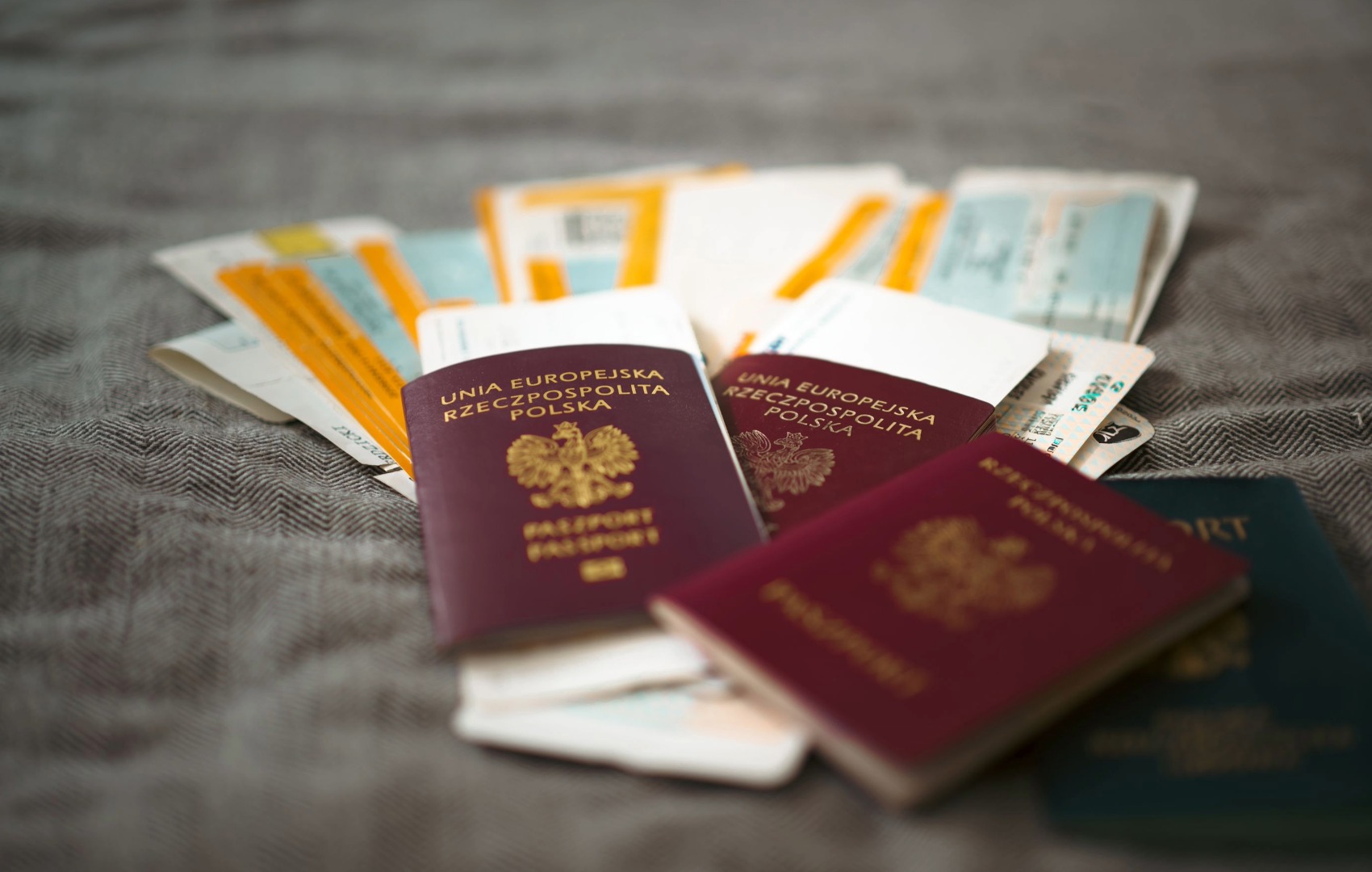
Buying property in Tenerife involves more paperwork than simply signing a contract and transferring the purchase price.
For international buyers, knowing which documents you'll need in advance can make the process considerably smoother.
You'll typically need identification, an NIE number, financial documentation and evidence relating to the source of your purchase funds. If you're applying for a Spanish mortgage, the bank will also request additional financial information.
At the same time, there is another set of documents that matters just as much: the documentation relating to the property you're buying.
From the Nota Simple and cadastral information to community documentation and the Energy Performance Certificate, these records help establish what you're actually purchasing and whether there are issues that need to be addressed before completion.
This guide explains the main documents buyers should expect when purchasing property in Tenerife in 2026.
1. Passport or National Identity Document
The starting point is valid identification.
Foreign buyers will normally need a valid passport. EU/EEA nationals may also use relevant national identity documentation where accepted for the procedure concerned.
Your identification details need to remain consistent throughout the transaction.
This sounds straightforward, but international buyers should check that their documents won't expire during a transaction that may take several weeks or longer to complete.
Your lawyer, bank, notary and other parties involved in the purchase may all require identification.
2. Your NIE Number
One of the most important documents for a foreign property buyer in Spain is the NIE — Número de Identidad de Extranjero.
The NIE is the identification number assigned to foreigners for dealings with Spanish authorities and is required for the tax and administrative aspects of purchasing property.
It will subsequently also be relevant to various matters associated with owning property in Spain.
Importantly, obtaining an NIE isn't the same as becoming a Spanish resident.
A non-resident foreign buyer can have an NIE and own property in Tenerife without becoming resident in Spain simply because of the purchase.
If you're seriously planning to buy, it's sensible to organise your NIE early rather than waiting until immediately before the notary appointment.
3. Proof of Your Current Address
You may also be asked to provide proof of your permanent or current residential address.
The exact documents accepted can depend on the institution requesting them.
Examples might include official correspondence, a utility bill, bank documentation or another suitable proof of residence.
International buyers should make sure the address information they provide is consistent across their transaction documentation where required.
4. Spanish Bank Account Details
Having a Spanish bank account isn't the same thing as having an NIE, nor should the two requirements be confused.
However, a Spanish account can be extremely useful during and after the purchase.
It can facilitate recurring payments such as:
- Electricity
- Water
- Community fees
- IBI
- Insurance
- Mortgage instalments where applicable
If you've opened an account, the relevant banking details may therefore form part of the practical documentation used during the purchase and subsequent ownership.
5. Proof of Funds
Property transactions are subject to anti-money-laundering controls.
As a buyer, you should therefore be prepared to demonstrate where the money you're using to purchase the property comes from.
This is particularly relevant for international buyers transferring substantial funds into Spain.
Depending on your circumstances, supporting documentation may include bank statements or other records showing the legitimate origin and movement of the funds.
The exact documentation required will depend on your financial situation and the institutions or professionals carrying out the relevant compliance checks.
The important point is to organise this early.
Don't assume you can transfer several hundred thousand euros shortly before completion without being asked for supporting information.
6. Evidence of Income or Wealth
Source of funds and source of wealth are related concepts but shouldn't always be treated as identical.
If you're purchasing using employment income and accumulated savings, documentation may differ from someone purchasing after selling another property, receiving investment proceeds or using company-generated income.
Banks and regulated professionals may ask for evidence that supports the origin of the money.
This can potentially include documents relating to:
- Employment
- Business activity
- Savings
- Investments
- Property sales
- Other legitimate sources of capital
What is required depends on the individual buyer.
7. Mortgage Documentation
If you're purchasing with a Spanish mortgage, expect considerably more financial documentation.
Banks need to determine whether you can afford the proposed loan and comply with their lending and regulatory obligations.
Depending on your circumstances, you may be asked for documents such as:
- Passport or identification
- NIE
- Proof of address
- Bank statements
- Payslips
- Employment documentation
- Tax returns
- Details of existing loans and financial commitments
- Evidence of savings
- Information relating to other assets
Self-employed buyers and business owners may need to provide different or additional evidence.
Non-resident buyers can also be asked for documentation from their country of residence.
If those documents aren't in Spanish, the lender may have requirements regarding translations.
For mortgage buyers, starting this process early can significantly reduce the risk of financing delaying the purchase.
8. Power of Attorney if You're Buying Remotely
You don't necessarily need to be physically present in Tenerife for every stage of the transaction.
Many international buyers appoint a lawyer or another authorised representative using a Power of Attorney — Poder Notarial.
Depending on the powers granted, your representative may be able to handle specified procedures on your behalf.
This can be particularly useful for buyers who cannot repeatedly travel to Tenerife or be present on the intended completion date.
A Power of Attorney should be properly prepared for the actions your representative needs to perform.
If it's executed outside Spain, additional formalities may be required depending on the country and document.
Your Spanish lawyer or notary should advise you on the appropriate procedure.
What Documents Should You Check for the Property?
Your personal documentation is only half of the equation.
Before buying a property in Tenerife, the property itself needs to be documented and investigated.
This is where independent legal due diligence becomes particularly important.
9. Nota Simple
The Nota Simple Informativa from the Spanish Land Registry is one of the most important documents in a property purchase.
It provides information held by the Registro de la Propiedad concerning the registered property.
Among other information, it can help identify:
- The registered owner
- The registered description of the property
- Mortgages
- Embargoes or certain other registered charges
- Usufructs and other registered rights
If the person attempting to sell the property isn't consistent with the registered ownership, or if unexpected charges appear, those issues need to be understood before proceeding.
A Nota Simple is therefore an essential part of legal due diligence, but it isn't the only property document that should be reviewed.
10. Escritura de Propiedad
The seller should have documentation supporting their ownership, commonly including the existing Escritura Pública, or public title deed.
The deed contains important information concerning the property and the transaction through which the current owner acquired it.
Your lawyer can compare relevant information in the deed with Land Registry and other documentation as part of the due-diligence process.
The buyer will subsequently receive a new public deed documenting their own purchase when the transaction is completed before the notary.
11. Cadastral Reference and Catastro Information
Spanish properties have a Referencia Catastral, or cadastral reference, identifying them within the Catastro.
Cadastral information and Land Registry information serve different purposes and shouldn't automatically be treated as interchangeable.
During due diligence, inconsistencies between the physical property, Land Registry description and cadastral information may need to be investigated.
This can be particularly relevant where a property has undergone extensions, modifications or other physical changes.
12. Valor de Referencia
Foreign buyers should also be aware of the Valor de Referencia del Catastro.
This is different from the Valor Catastral.
The distinction is important because the Valor de Referencia can affect the taxable base when purchasing a resale property subject to ITP.
Before completion, your lawyer or tax adviser can establish whether a reference value exists for the property and how it affects the taxation of your particular transaction.
This helps prevent unexpected tax calculations after you've already agreed on the purchase price.
13. Latest IBI Receipt
IBI — Impuesto sobre Bienes Inmuebles is the annual municipal property tax paid by property owners in Spain.
Before purchasing, the latest IBI documentation should be reviewed.
Among other things, it provides relevant information relating to the property and its municipal property-tax position.
Once you become the owner, IBI becomes one of the recurring costs you'll need to include in your annual property budget.
14. Energy Performance Certificate
Properties marketed for sale generally require an Energy Performance Certificate, commonly referred to as the EPC or Certificado de Eficiencia Energética, subject to the applicable rules and exceptions.
The certificate provides an energy-efficiency rating for the property.
Buyers should receive the relevant documentation as part of the transaction where required.
Although the energy rating may not be the deciding factor for every Tenerife buyer, it's part of the documentation that should be properly accounted for before completion.
15. Community of Owners Documentation
If you're buying an apartment, townhouse or another property within a residential complex, the Comunidad de Propietarios becomes particularly important.
The community manages the shared elements of the development.
Depending on the complex, these might include:
- Swimming pools
- Gardens
- Lifts
- Communal lighting
- Building maintenance
- Security
- Shared parking areas
- Other common facilities
Before purchasing, you should understand the property's community-fee position and whether relevant debts exist.
16. Community Debt Certificate
Spanish property buyers should establish whether the seller is up to date with payments to the Community of Owners.
The appropriate community documentation can confirm the financial position relating to community fees.
This matters because you don't want to discover unresolved community debt only after completing the purchase.
Your lawyer should ensure the necessary community information is obtained and reviewed as part of the transaction where applicable.
17. Community Meeting Minutes
The amount of the regular monthly community fee isn't the only thing worth investigating.
The minutes from recent community meetings can provide useful information about what is happening within the development.
For example, owners may have discussed or approved:
- Major repairs
- Lift replacement
- Façade works
- Swimming-pool improvements
- Roofing works
- Changes to communal areas
- Extraordinary contributions
This is important because an apartment with apparently reasonable community fees could still be associated with a significant upcoming derrama, or extraordinary assessment.
Understanding this before purchasing can prevent an unexpected bill shortly after completion.
18. Information About Approved Derramas
A derrama is an extraordinary contribution approved by a community to cover expenditure that isn't sufficiently funded through the ordinary budget.
The financial implications can vary considerably.
A modest maintenance contribution is very different from a substantial assessment for structural repairs or major refurbishment.
For buyers comparing apartments in Tenerife, this information can materially affect the true cost of a property.
Don't evaluate a complex solely by its regular monthly community fee.
19. Existing Mortgage Documentation
A property can be sold even when the seller has an outstanding mortgage.
However, the mortgage needs to be handled correctly as part of the transaction.
If a mortgage appears as a registered charge, the lawyers and relevant financial institutions can coordinate how the debt and cancellation are dealt with.
The important point for the buyer is that registered charges are identified before completion and the transaction is structured so that ownership is acquired under the agreed legal conditions.
20. Documentation for New-Build Properties
If you're purchasing a new-build home from a developer, the documentation and due-diligence process differs from that of a standard resale.
Depending on the development and stage of construction, additional documentation may be relevant concerning the developer, planning permissions, construction, guarantees, specifications and completion of the property.
Payment structures can also differ substantially from a resale transaction.
International buyers purchasing off-plan or newly constructed property should therefore obtain independent legal advice before making significant stage payments.
Do You Need All These Documents Before Making an Offer?
Not necessarily.
Making an offer and completing the legal purchase are different stages.
You may decide to negotiate the commercial terms before every piece of documentation has been reviewed.
What matters is that you understand when you become contractually and financially committed.
Before signing agreements involving significant deposits, establish what due diligence has already been completed, what remains outstanding and what contractual protection exists if a problem is subsequently discovered.
What Documents Do You Sign When Buying Property?
Beyond the documents you provide and those relating to the property, you'll also encounter contracts during the purchase itself.
Depending on the transaction, these may include:
Reservation agreement. Often used to reserve the property following an accepted offer.
Contrato de Arras or private purchase agreement. Establishes important contractual terms and may involve a significant deposit.
Mortgage documentation. Where financing is being used.
Escritura Pública de Compraventa. The public deed through which the property sale is formally documented before a Spanish notary.
Each document has a different function.
Don't sign something simply because it is described as “standard”.
Understand what it does first.
What Should You Bring to the Notary?
The exact requirements for completion depend on the transaction, so your lawyer and notary should confirm what is required in advance.
Identification and the necessary purchase documentation must be properly coordinated, together with the payment arrangements.
If someone is signing on your behalf, the appropriate Power of Attorney will also need to be valid for the actions being performed.
Mortgage-financed purchases involve additional banking documentation and coordination.
This is another reason why preparation for completion should begin well before the appointment itself.
Should You Translate Spanish Property Documents?
The official transaction documentation may be in Spanish.
If you don't understand Spanish sufficiently to comprehend what you're signing, appropriate translation or interpretation should be arranged.
Don't rely on recognising a few familiar words in a legal document.
A property purchase may involve hundreds of thousands of euros and long-term legal consequences.
You should understand the content of every important agreement before signing it.
Create a Property Purchase Document Folder
One practical step for international buyers is to keep a dedicated digital and physical folder for the purchase.
Organise it into categories such as:
Personal documents: passport, NIE and address documentation.
Financial documents: bank statements, proof of funds and mortgage paperwork.
Property documents: Nota Simple, cadastral information, IBI and community documentation.
Contracts: reservation agreement, arras contract and subsequent agreements.
Completion: public deed, tax documentation and Land Registry records.
This makes it considerably easier to retrieve information when your lawyer, bank or other professional requests it.
What Documents Should You Keep After Buying?
Don't discard the paperwork once you receive the keys.
Important documents relating to the acquisition should be retained after completion.
These can be relevant when dealing with taxes, future financing, property administration and eventually selling the property.
Your final purchase and registration documentation should therefore form part of your permanent property records.
Keep records of the acquisition costs and relevant invoices as well, as they may become important for future tax calculations.
The Essential Buyer Checklist
For an international buyer, the documentation process can be understood in three groups.
First are your documents: identification, NIE, financial information and, where applicable, mortgage or Power of Attorney documentation.
Second are the property's documents: Land Registry, cadastral, tax, community and other relevant legal records.
Third are the transaction documents: reservation agreements, private contracts and ultimately the public deed.
All three need to work together for a properly prepared purchase.
Final Thoughts
Knowing what documents you need to buy property in Tenerife can make the process significantly easier, particularly when purchasing from abroad.
Start with your passport and NIE and organise your financial and source-of-funds documentation early.
If you need a mortgage, prepare for the additional documentation required by the lender.
But don't focus exclusively on your own paperwork.
The documentation relating to the property you're buying is equally important.
The Nota Simple, ownership documentation, cadastral information, IBI records and, where relevant, community documentation can reveal information that materially affects your decision to proceed.
The objective isn't simply to collect paperwork.
It's to establish that the property you're buying is legally and financially what you expect it to be before you commit to the purchase.
Looking to Buy Property in Tenerife?
Luxury World Properties helps international buyers find properties throughout Tenerife and navigate the different stages of purchasing a home on the island.
Our multilingual team can assist with your property search and coordinate the transaction with the relevant independent legal and financial professionals.
Explore our properties for sale in Tenerife or contact Luxury World Properties to begin your property search.
Recent articles

Oct. 13, 2026 10/13/2026
Can Foreigners Get a Mortgage in Tenerife?
Can Foreigners Get a Mortgage in Tenerife?Buying …

Oct. 6, 2026 10/06/2026
¿Qué es la RIC en Canarias y cómo funciona? Guía 2026
¿Qué es la RIC en Canarias y cómo funciona? Guía …

Sept. 1, 2026 09/01/2026
Exclusive vs Multiple Estate Agents in Tenerife: Which Is Better?
Exclusive vs Multiple Estate Agents: What’s Bette…

Sept. 1, 2026 09/01/2026
Can You Sell a Property in Tenerife with a Mortgage?
Can You Sell a Property in Tenerife with a Mortga…

Sept. 1, 2026 09/01/2026
Why Isn’t My Property Selling in Tenerife?
Why Isn’t My Property Selling in Tenerife? Your p…